
Te Mata House: Structural Blocks Meet Natural Design
An award-winning Hawke’s Bay home where texture, thermal mass, and site harmony come together.
Sustainable architecture is reshaping our construction design concepts, blending beauty with environmental responsibility. Te Mata House, crafted by R· B· Studio, recently seen on is a prime example of this progressive approach. Nestled in the picturesque Tukituki Valley, this home masterfully uses thermal mass to create a comfortable, energy-efficient living space.
Join us as we explore how Te Mata House achieves this delicate balance, offering insights into innovative design techniques that can inspire your next project. Discover how a home can be more than just a shelter – it can exist in harmony with its natural surroundings.
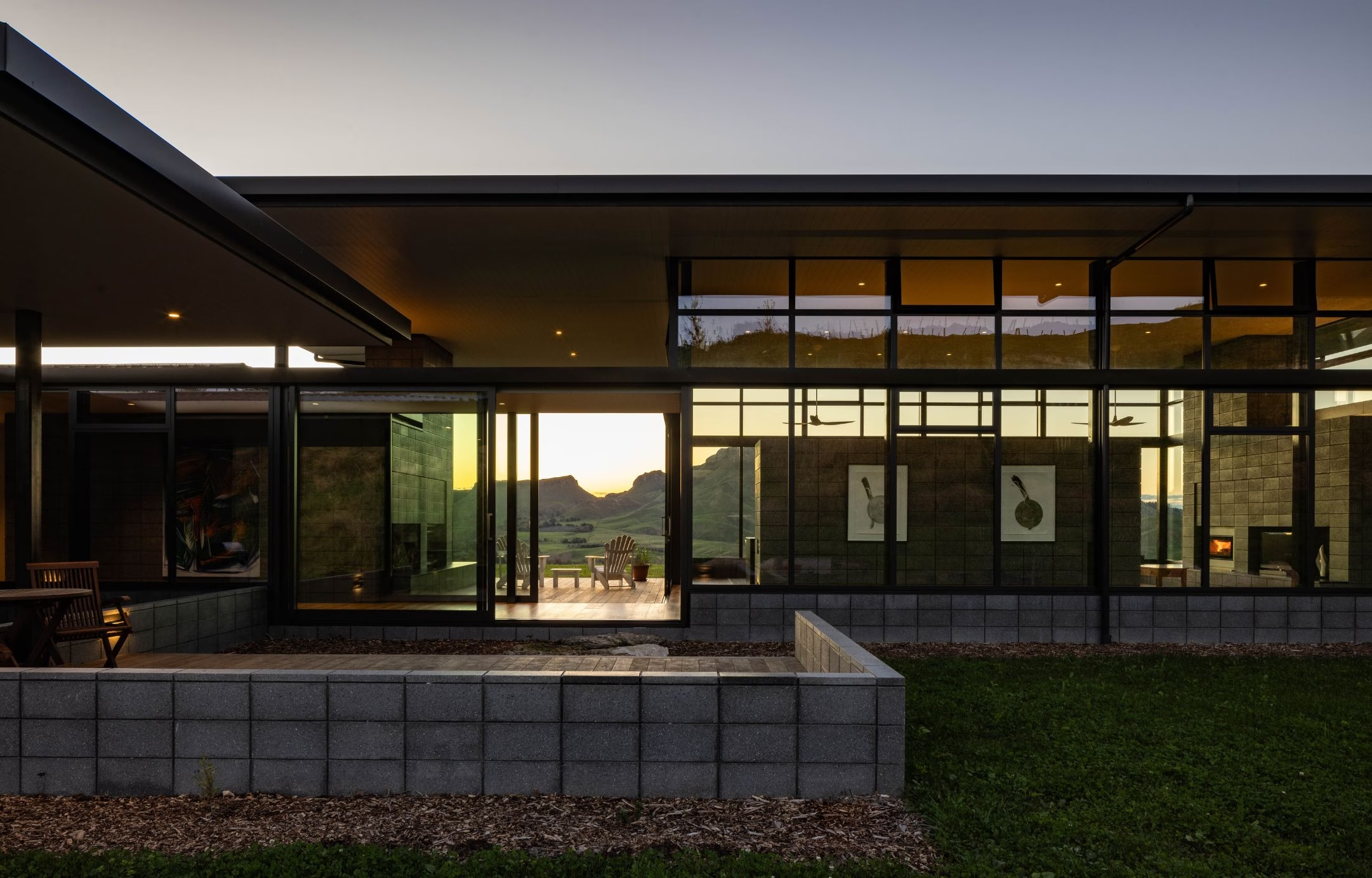
Project by R· B· Studio | Featured Products Structural 20 Series Carbon Black Honed | Photography Hazel Redmond
Design Philosophy of Te Mata House
Te Mata House sets a high standard for sustainable living. The integration of thermal mass and Trombe walls significantly reduces the home’s reliance on artificial heating and cooling, lowering its overall environmental footprint. This thoughtful design not only minimises energy consumption but also enhances the long-term sustainability of the home.
The use of locally sourced materials and the careful consideration of the house’s orientation and layout further contribute to its eco-friendly credentials. Te Mata House serves as a model for future sustainable projects, demonstrating how innovative design and material use can create a home that is both a shelter and an interactive part of its environment.
Thermal Mass in Architecture
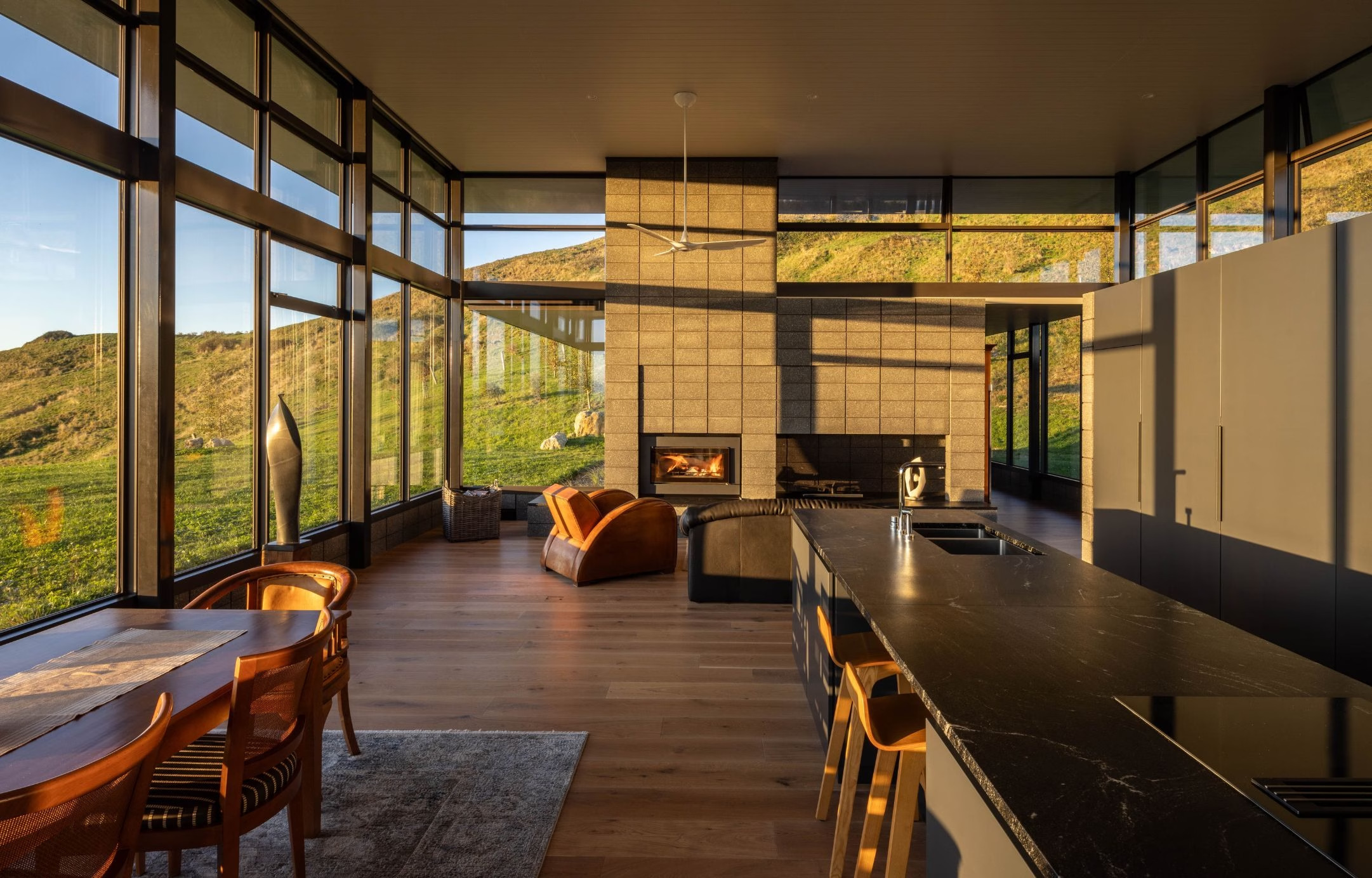
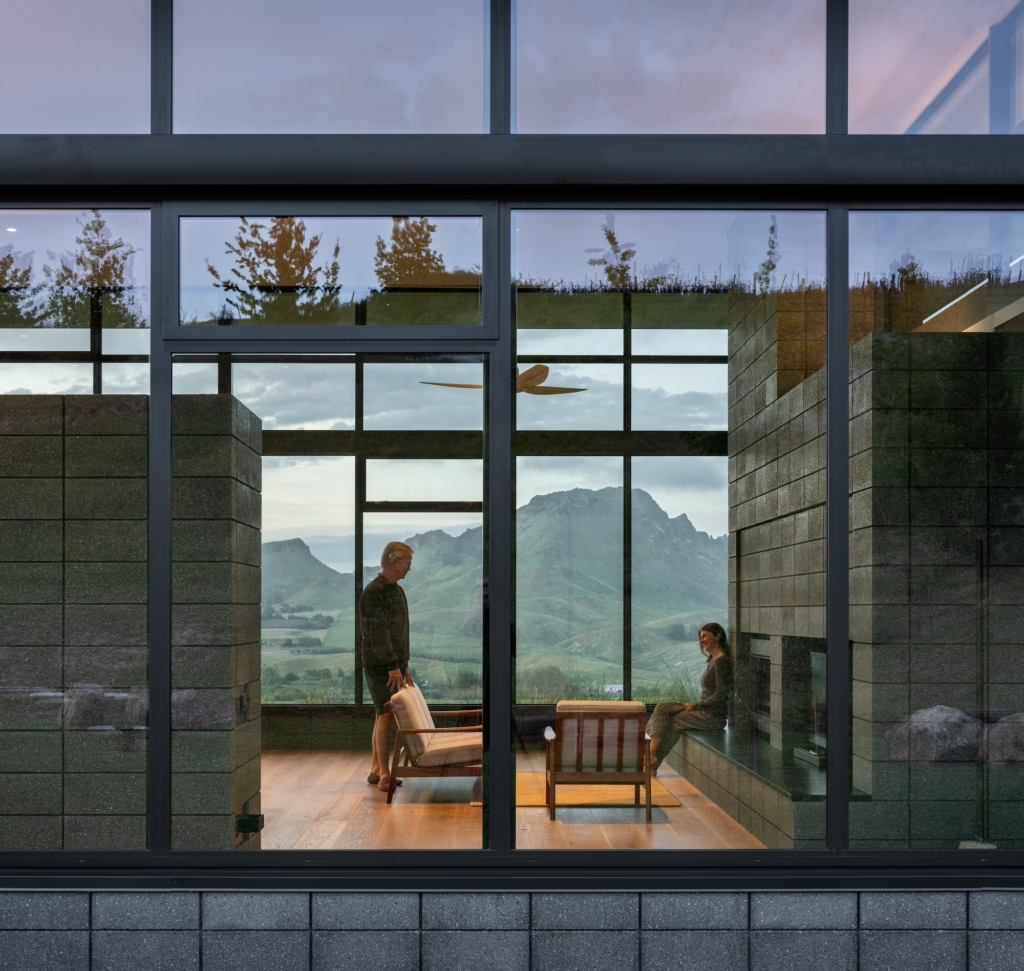
Thermal mass is a concept often utilised in sustainable architecture for its ability to stabilise temperature fluctuations within the building by absorbing and releasing heat. At Te Mata House, thermal mass is cleverly incorporated through the use of its structural blocks. In winter, with the lower sun angle, these materials absorb heat during the day and slowly release it during the cooler nights, helping maintain a comfortable indoor environment. In summer, the higher sun angle doesn’t connect with the structural blocks, keeping the building cooler.
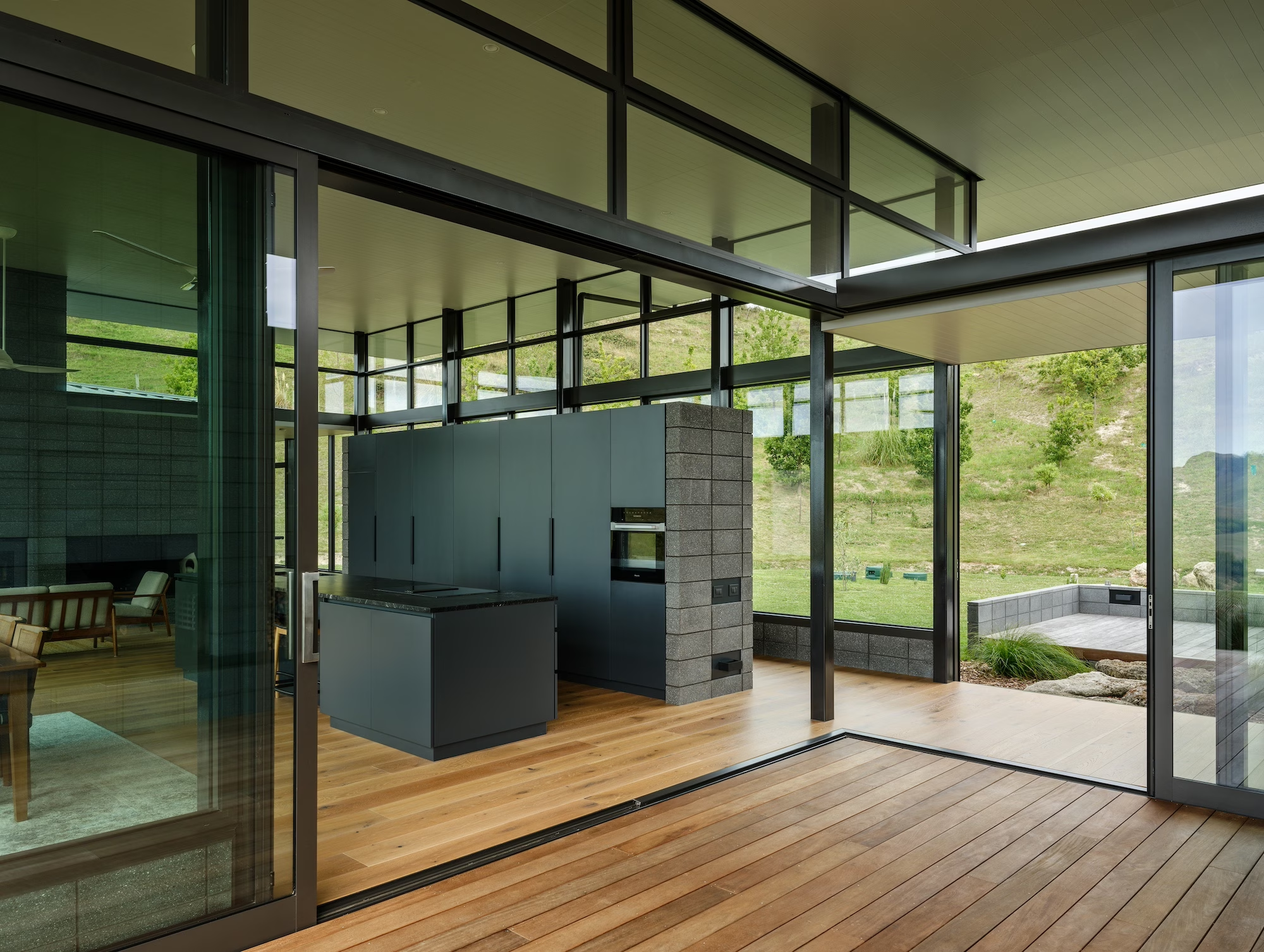
This principle is evident in the house’s extensive use of honed structural blocks and a polished concrete floor. These elements are positioned to maximise exposure to winter sunlight, absorbing heat and radiating it back into the home as temperatures drop, thereby reducing the need for artificial heating.
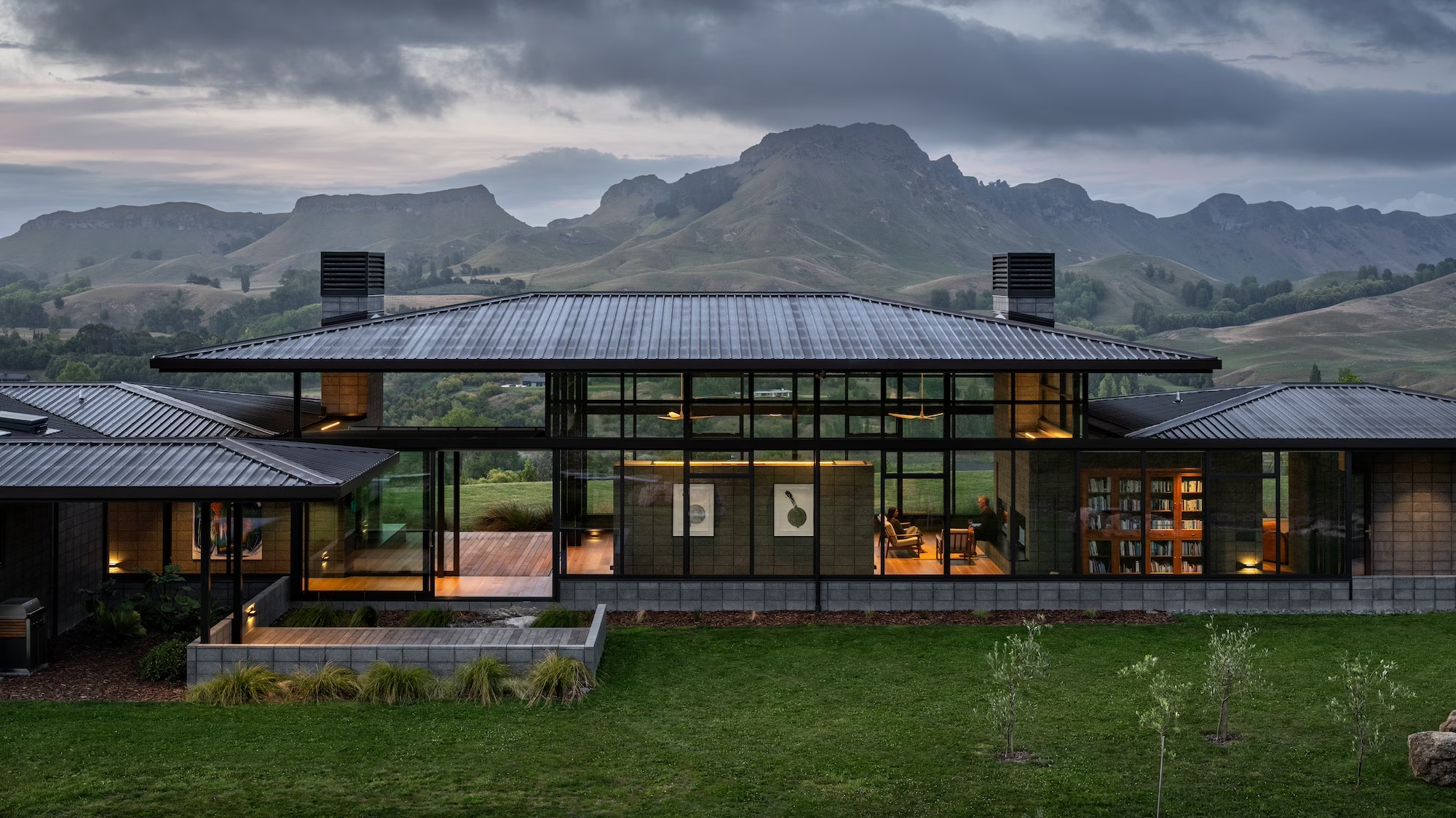
Featured Products: 20 Series Structural Blocks Carbon Black Honed | Photography Simon Devitt
Trombe Walls and Their Application in Te Mata House
A key feature of Te Mata House is its use of Trombe walls – a type of passive solar building design that captures and stores the sun’s heat. At Te Mata House, a Trombe wall is strategically placed behind large glass panels, facing north to capture maximum sunlight. The wall uses dark-coloured blocks to enhance heat absorption and is spaced from the glass to create a heat reservoir that distributes warmth throughout the house.
This system is designed to be self-regulating. During the winter, the wall absorbs heat during the day, releasing it into the interior at night. In the summer, shading devices and strategic ventilation prevent overheating, demonstrating the wall’s dual functionality in both heating and cooling the home. This practice creates homes that are very low energy use over the lifetime of the build.
Architectural Features of Te Mata House
The design of Te Mata House focuses on the interplay of light and space. The main living area features a 4.3-metre-high stud that enhances the sense of openness and connection to the outdoors. The ceiling’s window joinery is flush with the roof, allowing light to cascade in and creating an illusion of the outdoors extending into the indoor space.
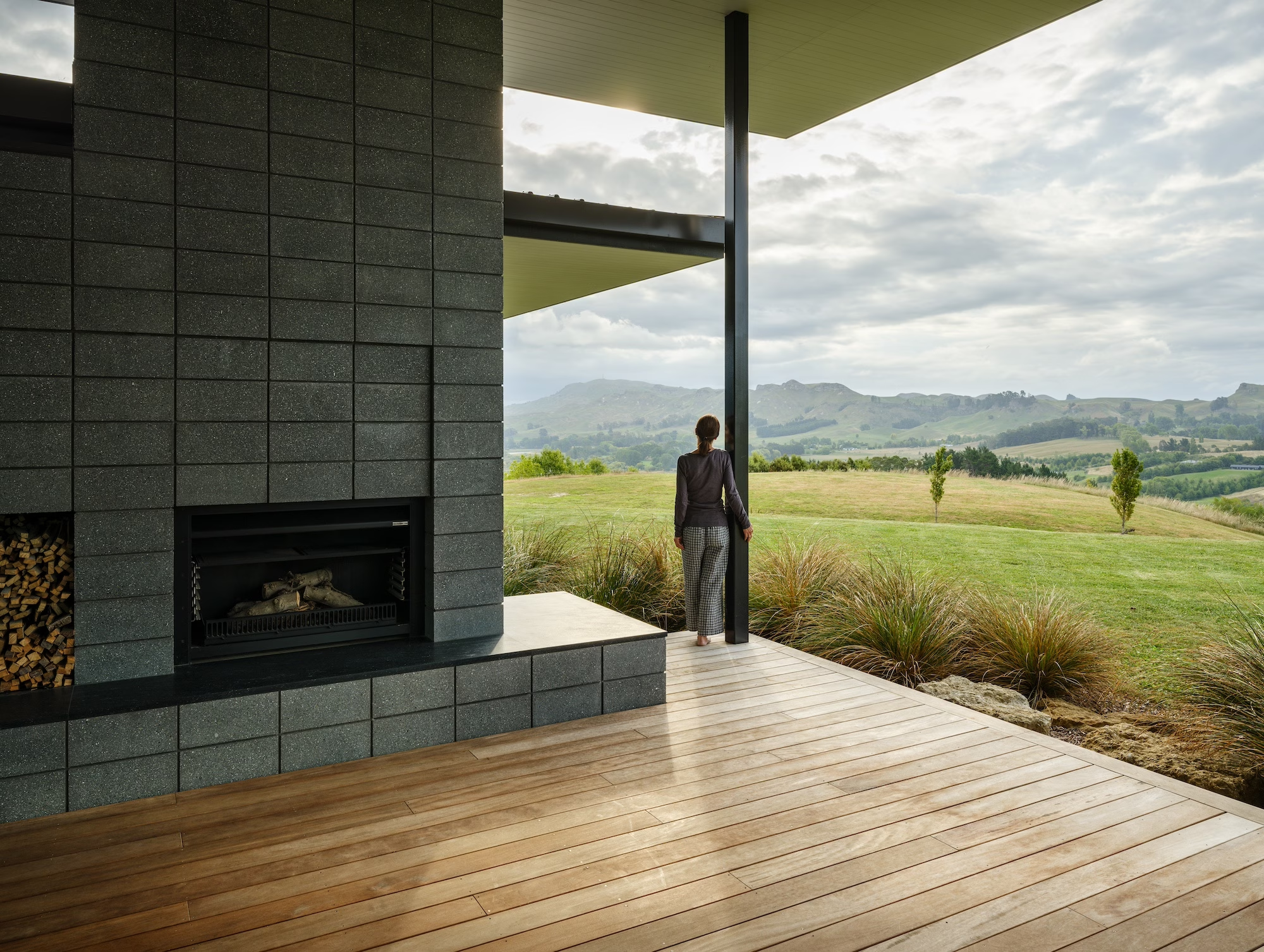
The house’s layout encourages movement through a cloister-like gallery that links private and communal spaces, offering shifting perspectives of the landscape and varying degrees of openness and enclosure. This architectural journey through the house mimics the natural undulations of the surrounding landscape, offering a tactile and visual experience of the site’s unique topography.
Environmental Impact and Sustainability
Te Mata House sets a high standard for sustainable living. The integration of thermal mass and Trombe walls significantly reduces the home’s reliance on artificial heating and cooling, lowering its overall environmental footprint. This thoughtful design not only minimises energy consumption but also enhances the long-term sustainability of the home.
The use of locally sourced materials and the careful consideration of the house’s orientation and layout further contribute to its eco-friendly credentials. Te Mata House serves as a model for future sustainable projects, demonstrating how innovative design and material use can create a home that is both a shelter and an interactive part of its environment.
Viblock’s Role in the Project
Viblock played a crucial role in the success of the Te Mata House project by supplying top-quality local materials that meet the high standards of sustainable architecture. The honed concrete blocks and other structural products provided by Viblock were integral to achieving the desired thermal mass and aesthetic appeal. Viblock’s commitment to quality and sustainability ensures that the materials not only perform well but also contribute to the overall environmental goals of the project.
Conclusion
The award-nominated Te Mata House by R· B· Studio stands as a beacon of modern architectural design, perfectly integrated with its environment through the use of thermal mass and thoughtful design elements. It showcases how homes can be designed to provide comfort and beauty while responding dynamically to their environmental context. This project is a prime example for architects and builders interested in sustainable design, offering insights into how innovative use of materials can lead to a home that is both a shelter and an interactive part of its environment.
We know that every architectural project is unique, and we’d be thrilled to discuss your design plans with you to understand what kind of masonry solutions you’re looking for. Let’s explore our range of products together to determine the bricks that would best suit your particular needs.
- Reach us by calling 0800 842 562
- Or get in touch with our team via our Contact Form