
3 Brick Ranges That Make Choosing the Right Concrete Brick Easy
Our brick range is now organised to make the selection process clearer. Instead of decoding product numbers, you can start with the size and format of the brick, then explore how those options sit within three architectural ranges.
Once you understand the naming logic, choosing the right brick becomes much easier.
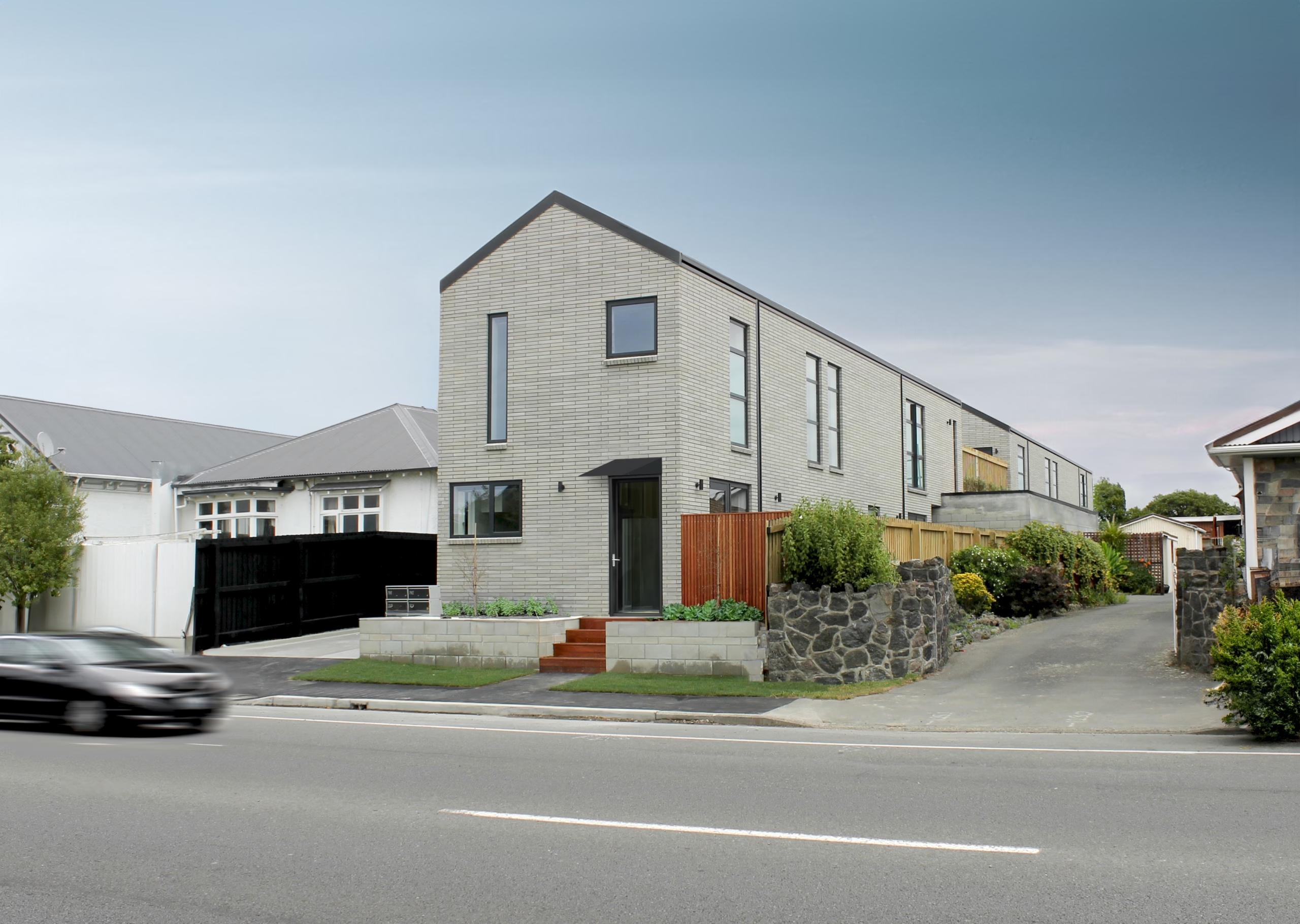
Project by Hierarchy Group | Featured Products 450 Slim Grey | Photography Hamish Storey
Start With Size and Format
Brick names follow a simple structure.
They combine two key elements: size and format. Examples include:
- 220
- 390
- 450
The format describes the brick’s profile or design.
- Standard
- Slim
- Double
- Fluted
- Split Face
For example:
- 220 Standard refers to a 220mm long brick in a standard profile.
- 390 Slim refers to a longer brick with a narrower height profile.
- 450 Standard refers to a long-format brick with traditional proportions.
- 390 Fluted introduces texture through vertical grooves.
This naming approach helps architects quickly visualise proportions, allows builders to estimate quantities more easily, and gives homeowners a clearer sense of the finished brickwork.
Once you understand size and format, the next step is understanding how those bricks are grouped within the Viblock range.
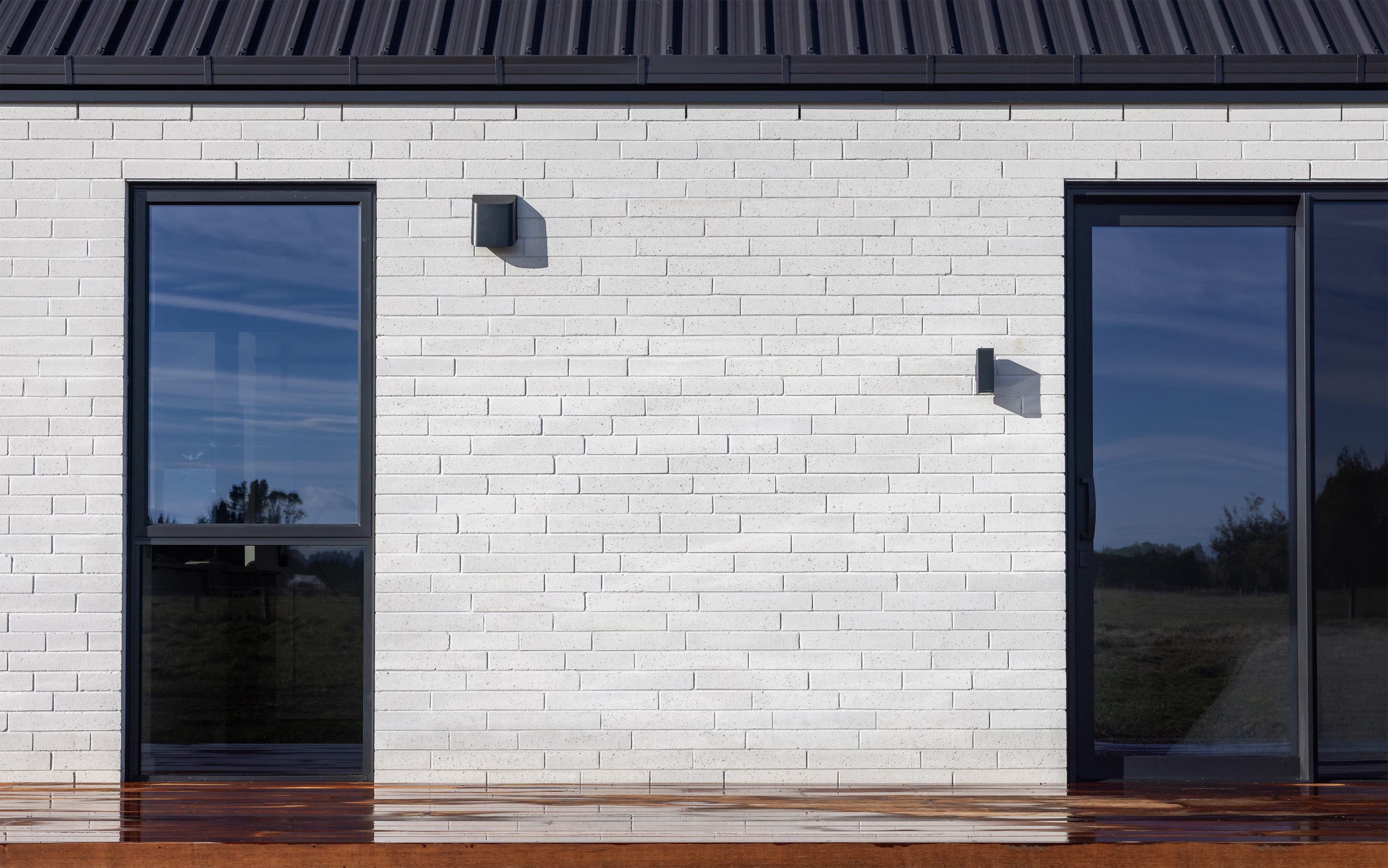
Featured Products 450 Slim White | Photography Hamish Storey
The Three Viblock Brick Ranges
- Slim Range
- Classic Range
- Distinctive Range
Each range supports a different design outcome, helping narrow down the options before selecting specific sizes, colours, and finishes.
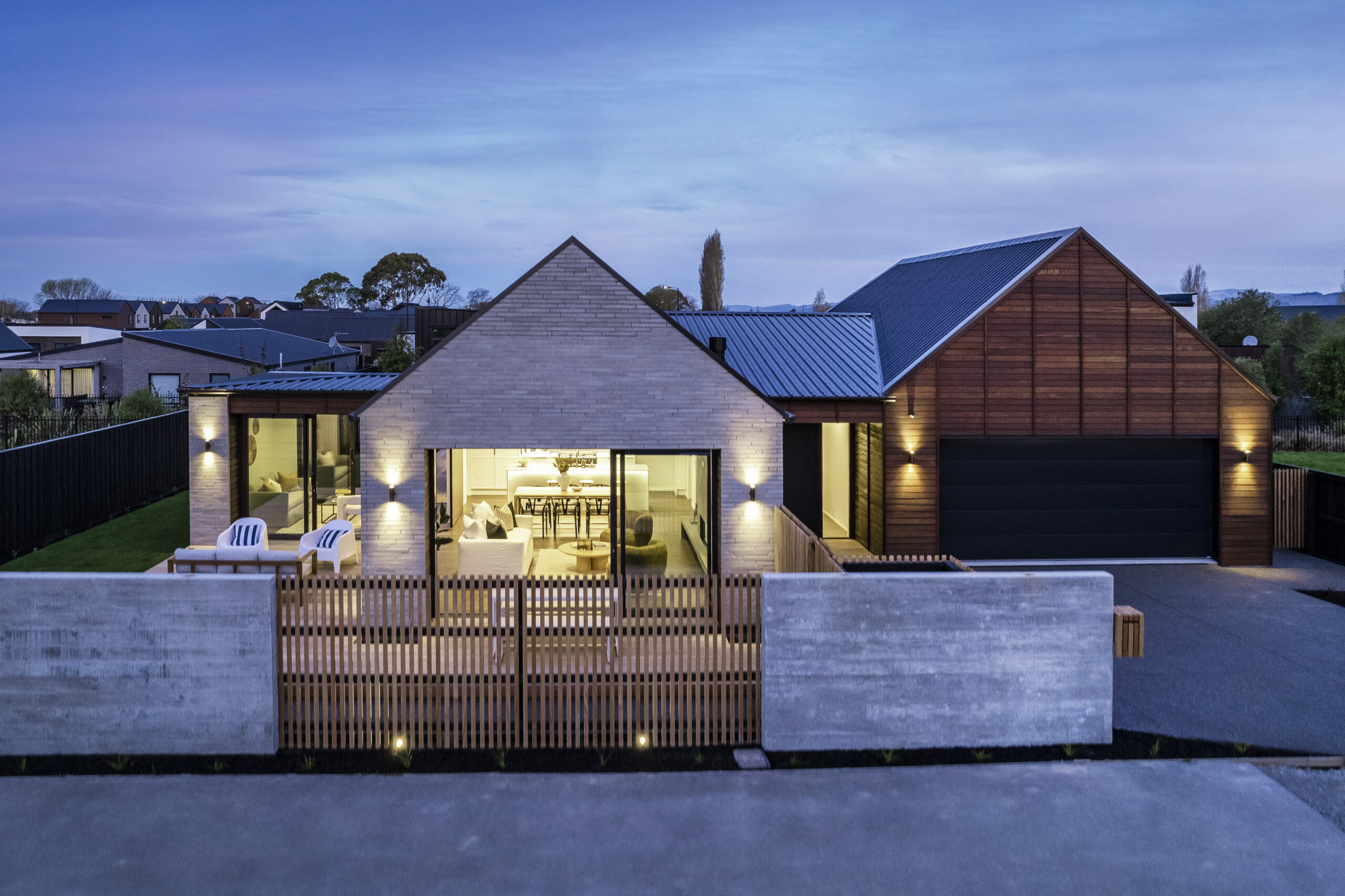
Project by Figure & Ground and J & M Built | Featured Products 450 Slim Grey | Photography Hamish Storey
Slim Range: Modern Linear Brickwork
The Slim Range is designed for contemporary architecture.
Slim bricks have a narrower height profile than traditional bricks. This creates longer, more refined horizontal lines across a wall and produces a finer masonry texture because more bricks are used per square metre.
Slim bricks have a narrower height profile than traditional bricks. This creates longer, more refined horizontal lines across a wall and produces a finer masonry texture because more bricks are used per square metre.
Examples within this range include formats such as:
Slim bricks are often used in modern homes and architectural facades where clean lines and subtle surface texture are important. Their proportions work particularly well alongside materials like timber, steel, and large glazing elements.
Classic Range: Timeless Brick Proportions
The Classic Range reflects the familiar masonry proportions that many builders and homeowners recognise.
These bricks offer balanced brick-to-mortar ratios and a strong architectural presence, making them suitable for a wide range of residential and commercial projects.
Examples include:
Because of their versatility, Classic bricks work well across both traditional and contemporary architecture. They can create a solid, grounded appearance when used as a primary façade material, or act as a complementary element alongside other cladding systems.
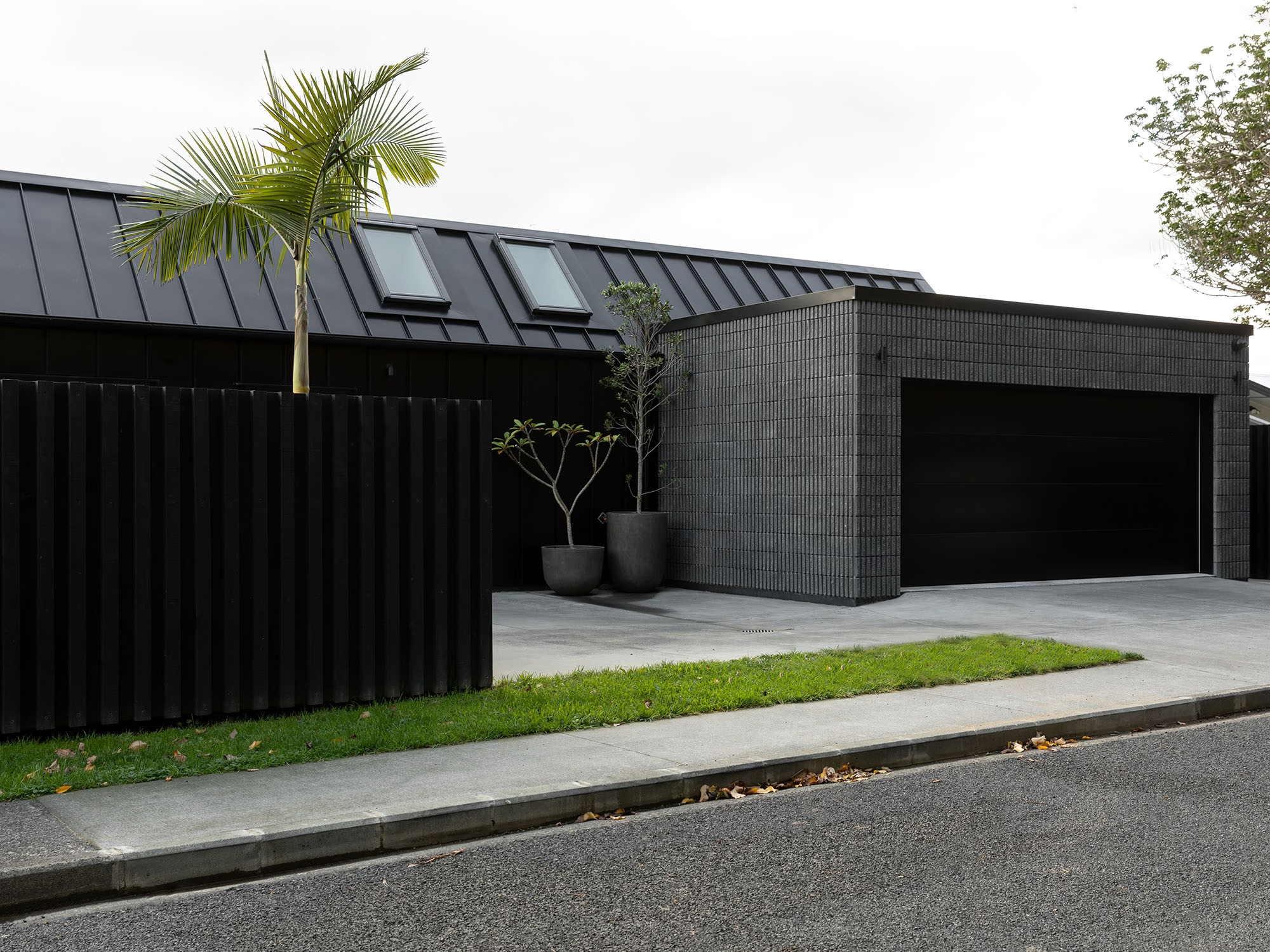
Featured Products 390 Fluted | Photography Jono Parker
Distinctive Range: Texture and Architectural Depth
The Distinctive Range introduces texture and depth to masonry surfaces.
Rather than focusing purely on proportion, these bricks add architectural character through surface treatment and shadow lines.
Examples include:
Split face bricks create a rugged, natural surface by exposing the internal aggregate of the concrete. Fluted bricks introduce vertical grooves that interact with light and shadow throughout the day.
These bricks are often chosen when designers want masonry to become a visual feature of the building. The textures create movement across the façade, bringing walls to life as sunlight changes from morning to evening.
Distinguishing textures like these can transform masonry from a background material into a defining architectural element.
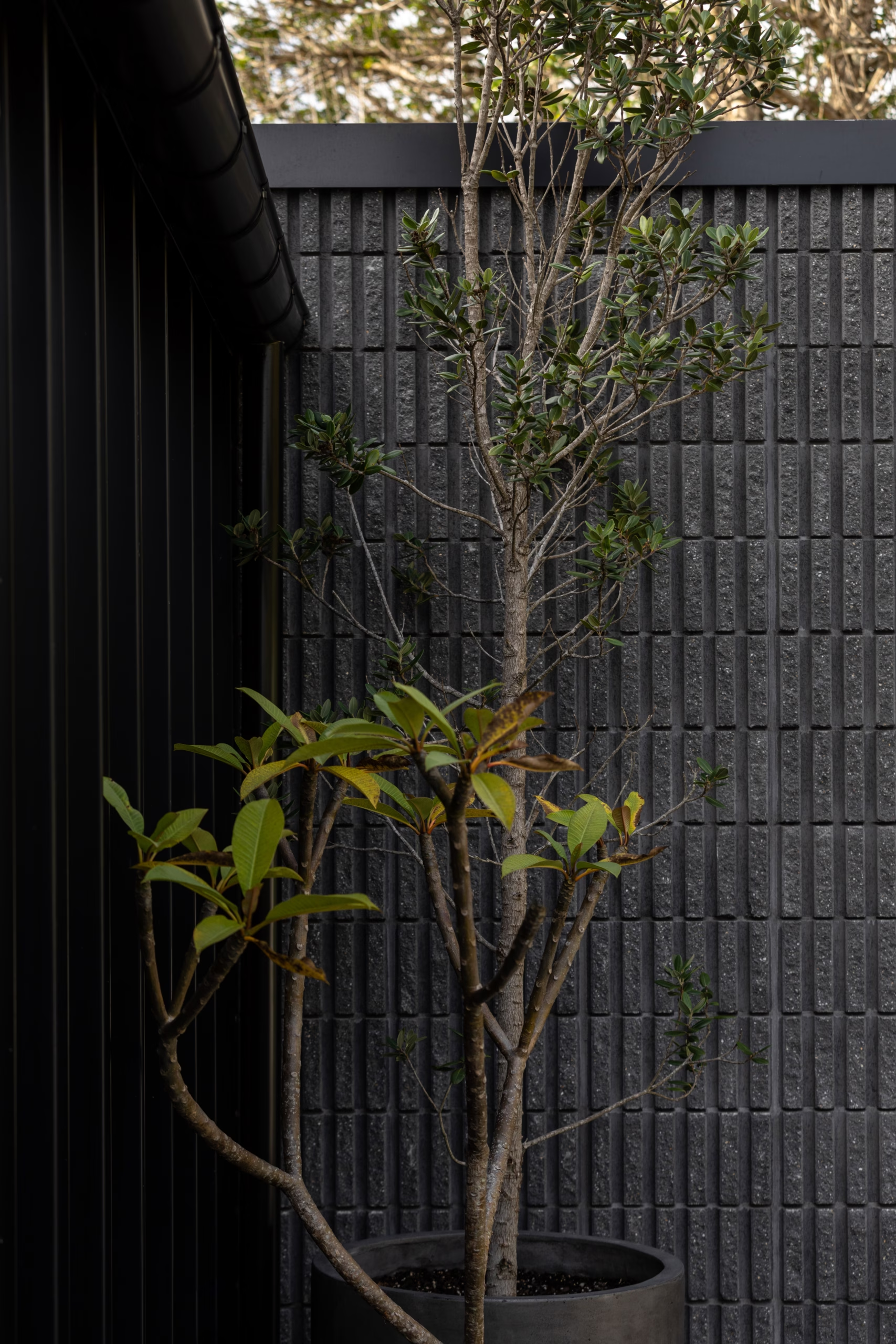
Featured Products 390 Fluted | Photography Jono Parker
In addition to size, format, and range, Viblock bricks are also available in two colour families.
Standard Colours include versatile architectural tones such as:
- Carbon Black
- Charcoal
- Terracotta
- Grey
- Tan
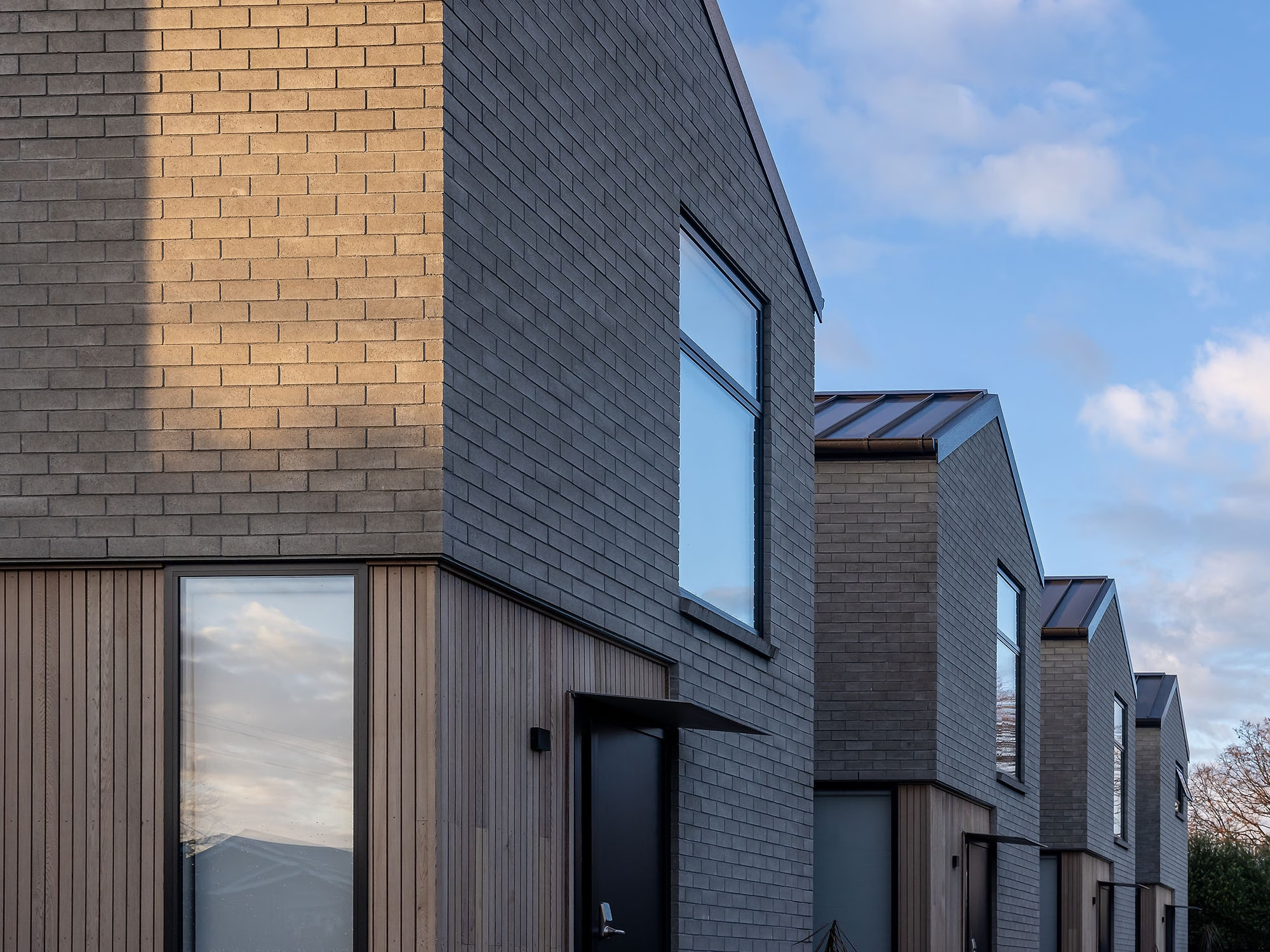
Featured Products 220 Standard Grey | Photography Hamish Storey
These colours provide a flexible palette that works well across many building styles.
Premium Colours incorporate distinctive aggregates that create more specialised finishes, including tones such as:
- Black Basalt
- White Quartz
- Cream Quartz
- Crawford Schist
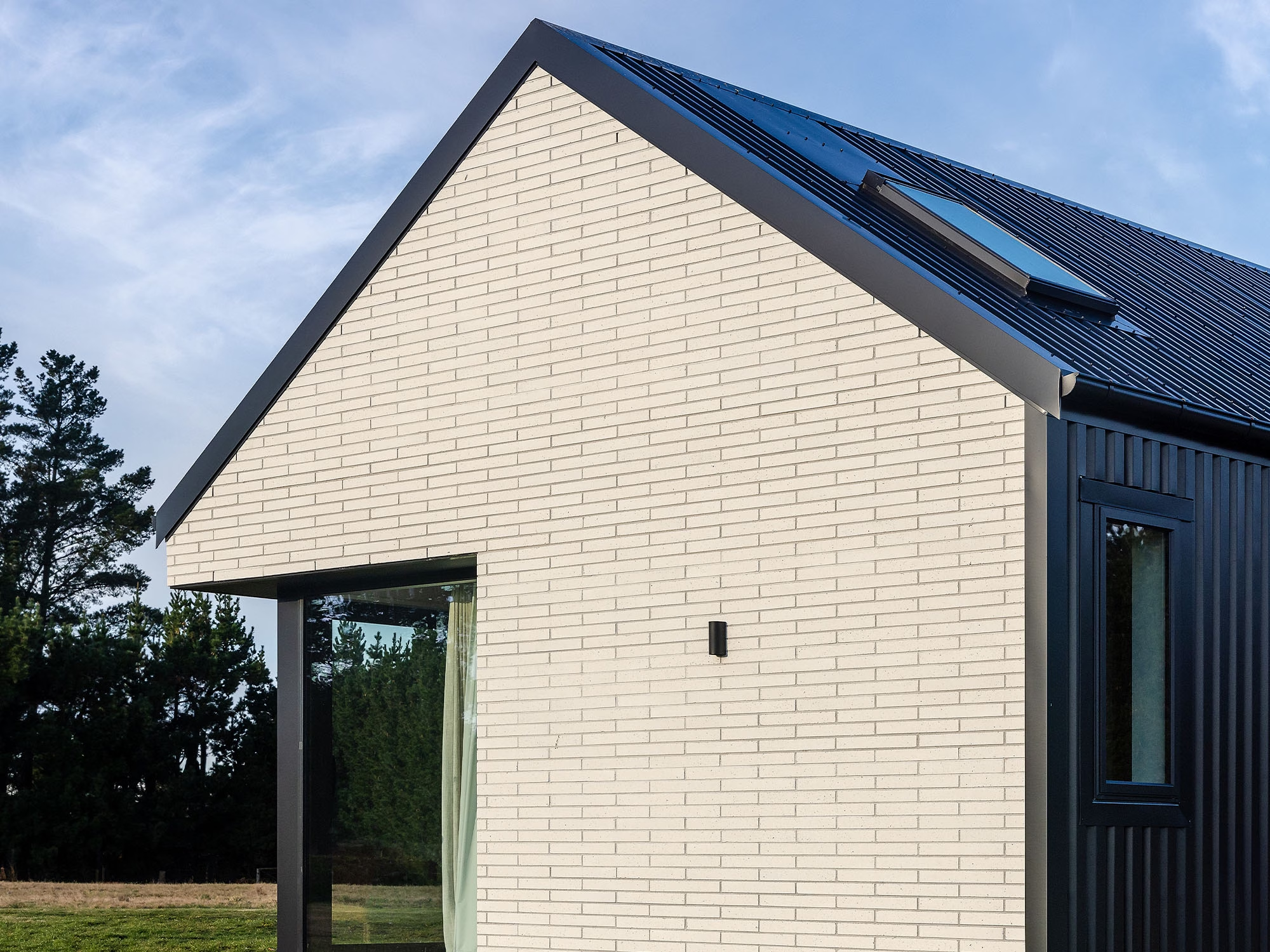
Featured Products 450 Slim in White Schist | Photography Hamish Storey
Because Viblock bricks use natural aggregates sourced from Central Otago, subtle variation in colour is part of the character of the material. These small shifts in tone give masonry surfaces depth and visual interest, rather than appearing flat or uniform.
Choosing the Right Brick for Your Project
A simple way to begin selecting a brick is to start with the design intent of the project.
For modern linear architecture, the Slim Range is often the best fit.
For familiar masonry proportions, the Classic Range provides timeless versatility.
For textured architectural surfaces, the Distinctive Range introduces additional depth and character.
Once the range has been selected, the final decision usually comes down to a combination of:
- brick size
- colour
- finish
From there, architects, builders, and homeowners can refine their selection based on the specific requirements of the project.
Simple Names, Better Brick Selection
The Viblock brick naming system is designed to make the selection process clearer.
By organising bricks around size, format, and architectural ranges, the range allows architects, builders, and homeowners to quickly understand their options without needing to interpret complicated product codes.
Starting with these fundamentals makes it easier to choose a brick that fits both the design vision and the practical needs of the project.
Next steps
Explore formats and finishes on View All Bricks
Read more on design and detailing: Concrete Brick Beauty: How Natural Variation Helps Create Timeless Walls and 7 Creative Ways to Transform Brickwork Into Architectural Design Statements.
Talk with our team about how Viblock can help align your design vision and budget. We’re here to support you with clear, practical information so you can make informed choices and approach your project with confidence. Reach us by calling 0800 842 562.