Choosing the Right Brick for Your Build
Choosing the right brick starts with understanding how size, finish and colour shape the way a home feels and performs. This guide gives New Zealand homeowners practical insight into what defines lasting value — beyond just brick prices.
The exterior of your house sets the tone, but when it comes to the total budget, it’s a relatively small part of the overall cost. When choosing bricks for your house exterior, smart budgeting isn’t just about headline numbers — it’s about the full system, from brick choice through to final installation. Format, bricks per square metre, laying patterns, textures and aftercare all influence brick prices, and more importantly, how the home performs and ages over time.
The ideas below are designed for design-minded homeowners who want architectural calm, enduring performance and clarity on where real value lives in their home.
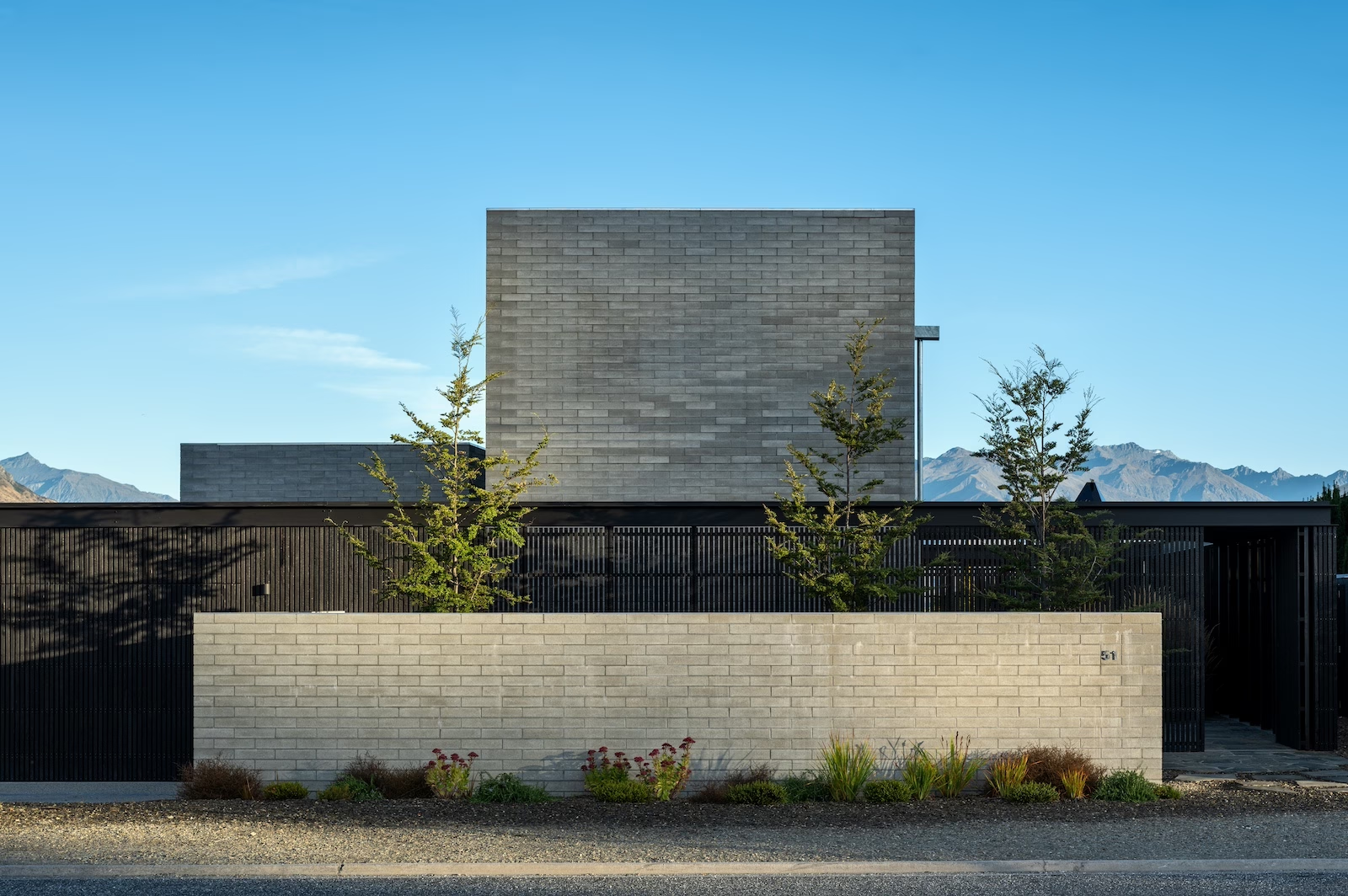
Project by Roberts Gray Architects | Featured Products Structural 20 Series and 390 Half Grey | Photography Simon Devitt
1) Look Past Cost-Per-Unit To The Full Build Picture
Plus the often-overlooked costs worth planning for
A smaller brick means more units per square metre, more cuts, and more time on site. A larger format can simplify installation because there are fewer bricks per wall. For a fuller sense of sizes and proportions, start with View All Bricks and then explore the Brick collection.
Hidden costs worth planning for
- Delivery and access. Local supply shortens freight lines and steadies delivery timing.
- Wastage allowance of 5 to 10 percent. Some lay patterns create more offcuts than others — for example, random bond versus stretcher bond. Wall shapes also matter: gables typically generate more cuts than simple rectangular walls. A sensible buffer helps avoid batch issues and potential installation delays. Viblock concrete bricks are known for their two-sided finish and dimensional regularity, which can reduce wastage compared with many alternatives.
- Mortar colour and joint profile. Flush versus raked joints, and colour matching, influence both the visual result and the time it takes to lay the wall.
- Pattern complexity. A stretcher bond (also called a running bond, where each course is offset by half a brick) is efficient. Stack, random, or drunken bonds require more careful set out and an experienced hand.
- With Viblock brick, sealing is a modest upfront step that pays off in cleanability and stain resistance for many years.
We raise these factors early so you can approach the conversation with your designer or bricklayer confidently. It helps everyone stay aligned on what influences overall cost and finish, and it means there are fewer surprises as the project takes shape.
For a system-wide perspective that developers and homeowners alike find useful, see: The Power of Masonry – Elevating Developments with Viblock Brick and Structural Masonry
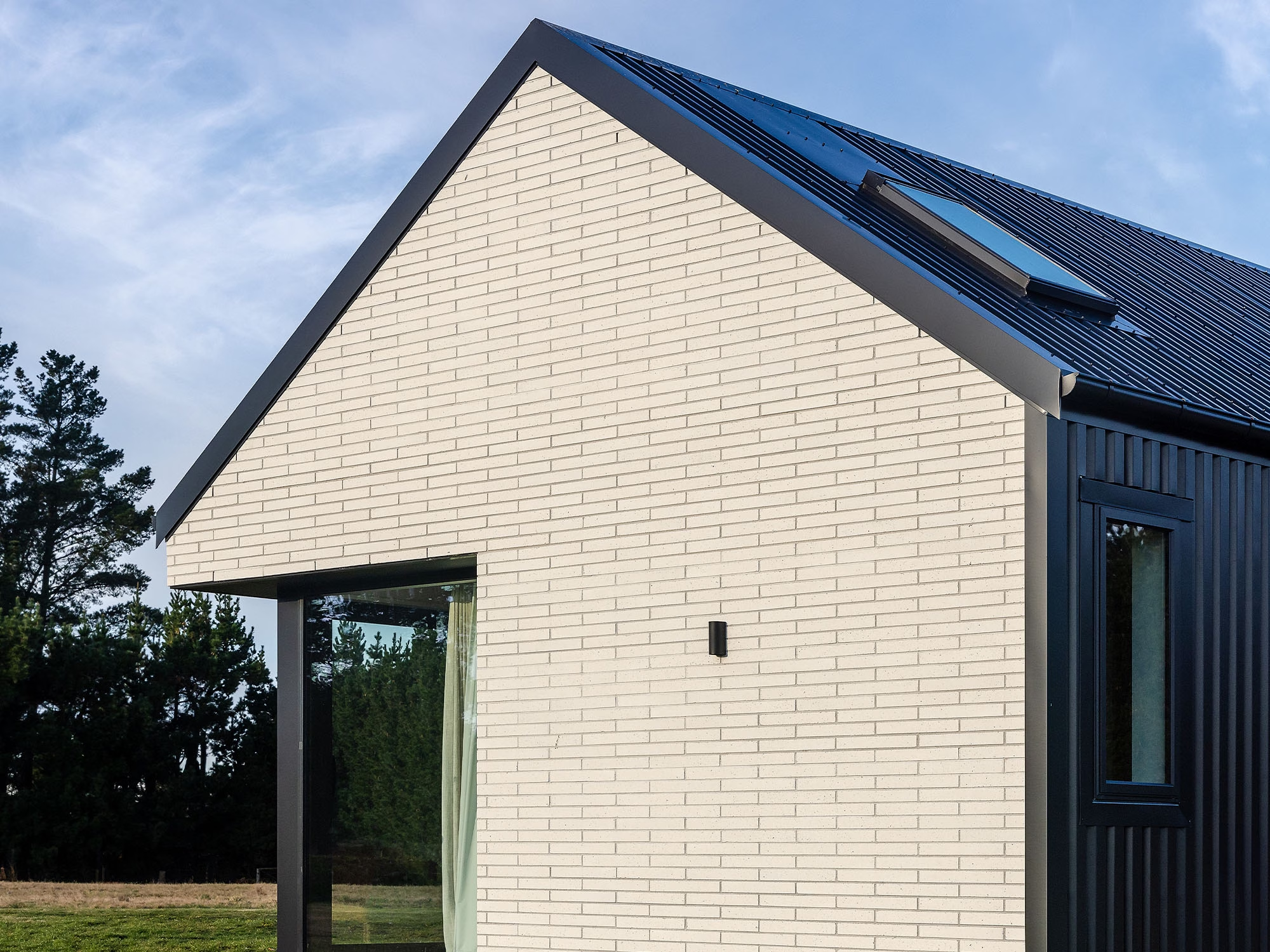
Featured Products 450 Slim White | Photography Hamish Storey
2) Price Guide: How Brick Size And Finish Influence Cost
Understanding format, value and installation cost
At Viblock, our bricks are produced using a press machine, and that process determines how many square metres can be made per unit of time, which directly impacts cost.
Our best-value products are generally larger-format bricks such as 390 Standard, 220 Double, 450 Standrard and 450 Double. These not only cost less per square metre but also tend to be faster and more efficient to install, reducing the total time and labour required.
Next in the value range are classic brick shapes like 390 Half and 220 Standard. While these may cost slightly more per square metre, their familiar dimensions and simple geometry make them efficient to lay, helping keep overall costs in check.
At the upper end of the range are our architectural bricks — including 450 Slim, 450 Half, 390 Slim, 390 Fluted and 390 Stardard or Half Split bricks. These take longer to manufacture due to their specialised profiles and finishes. While they sit at a higher price point, they deliver exceptional design value and are often used to create standout façades. Compared with imported options of similar style, they remain a cost-effective way to elevate a project.
For how natural variation adds richness without fuss, read: Concrete Brick Beauty: How Natural Variation Helps Create Timeless Walls
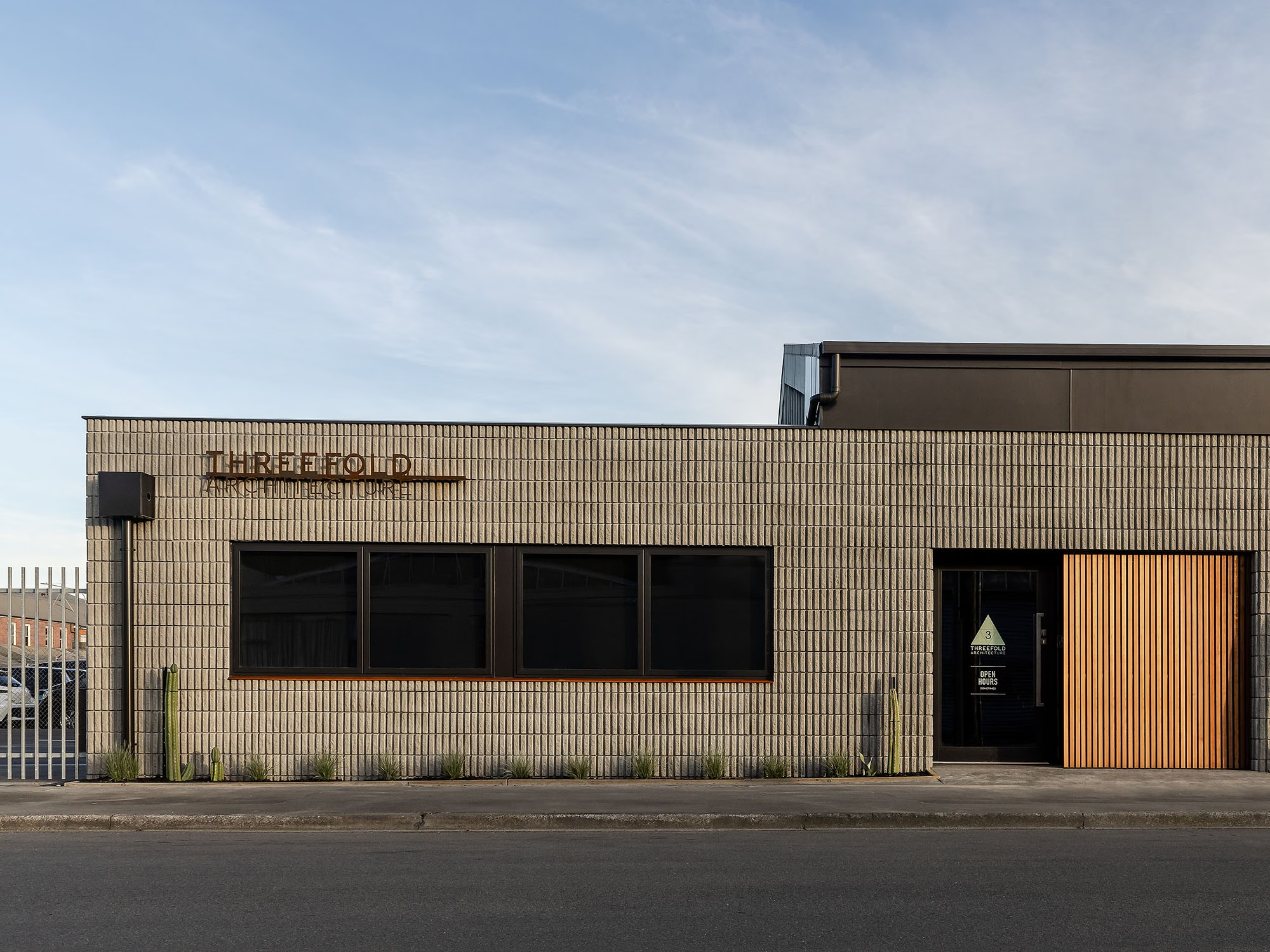
Project by Threefold Architects | Featured Products 390 Fluted Grey | Photography Hamish Storey
3) Colour Is a Value Decision: True-Colour Vs Coatings
Choosing materials that last and are made for New Zealand Conditions
New Zealand has some of the strongest UV in the world, and that sunlight can be hard on any exterior finish. Light and neutral brick colours cope best with these conditions, weathering evenly and keeping a calm, consistent appearance over time.
To create these pale, natural tones, Viblock uses white cement and carefully selected aggregates, including those found in our Crawford-style palettes. These ingredients carry a small premium but result in colour that runs through the entire brick, not just on the surface. The result is a façade that holds its tone and integrity for many years to come.
At Viblock, we offer two pricing tiers across our colour range: premium and traditional.
- Premium colours are made with specialty aggregates such as white quartz, cream quartz, black basalt and Crawford Schist from Central Otago. The colour comes through the aggregate itself, delivering a durable and bespoke finish.
- Standard colours use recycled gold tailings sourced at our Central Otago manufacturing facility. Options include Grey, Carbon Black, Tan, Charcoal and Terracotta. These come with a value discount of around 70 percent due to more cost-effective manufacturing processes.
True-colour Viblock bricks
- Keep their hue because pigment is part of the material itself, not an applied coating.
- Resist flaking and avoid the repaint cycles that surface finishes require.
- They are simple to maintain once sealed – usually a light water wash is all that’s needed.
Painted or bagged finishes
- It can look appealing at first, but it often leads to more maintenance and higher embodied carbon across the life of the building.
- May soften or conceal the natural texture that gives brick its depth and architectural character.
If you like a soft coastal aesthetic, see Inside Alex & Corban’s Timeless Coastal Retreat – Featuring Viblock’s New Brick Slips for how light tones and true-colour materials achieve that look while keeping long-term durability.
For installation and weathertight guidance, your designer or builder can refer to the Brick Veneer Best Practice Guide from Master Brick & Block NZ, which aligns with the approach Viblock recommends.
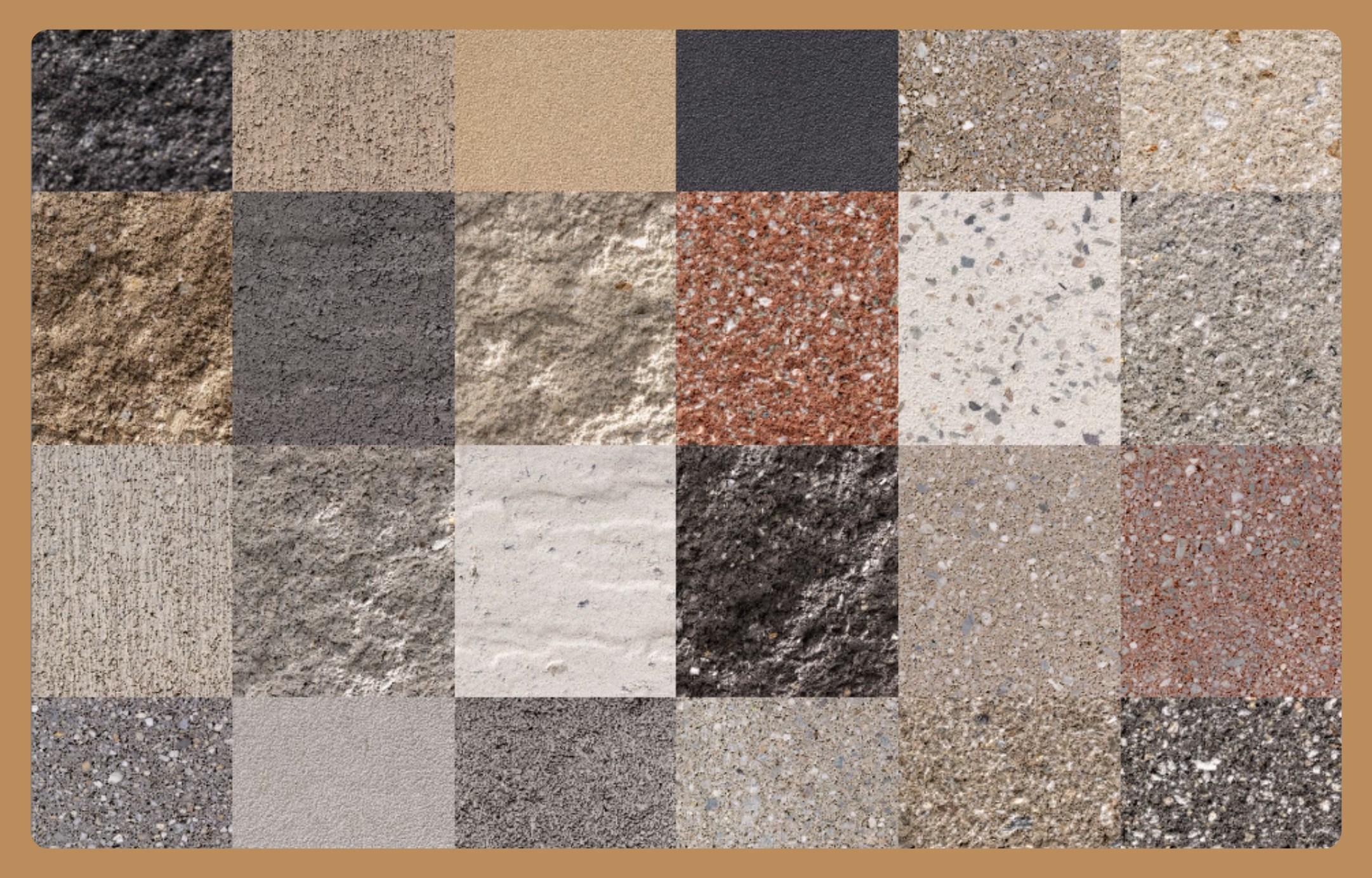
4) Finish & Pattern: Where Character Meets Craft
Why Precision Saves You Time
Treatments offer many possibilities to customise your bricks, and Viblock provides a greater range of finishes than any other supplier. Each treatment changes how light moves across a wall — some add softness, others precision or rhythm. When thinking about finishes and patterns, it helps to consider what you want the wall to say: quiet and even, or textured and expressive.
Plain is how the product comes straight from the press — clean, unfussy, subtle variation and the most cost-effective finish.
Finishes that elevate
- Honed surfaces are smooth and reveal the natural aggregate beneath. Light reflects differently across the face, adding subtle variation through the day.
- Fluted profiles use deep vertical grooves to create shadow and visual rhythm. They suit entrances, vertical columns, or feature bays.
- Textured option intentionally roughs the surface, exposing various aggregates in a natural way. The result is a natural variation achieved with tactility and authenticity.
- Rumbled bricks have gently rounded edges for a lived-in feel that suits traditional or transitional designs.
Each finish adds an extra stage in production, but it also adds distinction. The aim is to match the level of craft to the role the wall plays in the overall design.
Patterns that define the look
- Stretcher bond (also called running bond) offsets each course by half a brick. It is simple, strong, and time-efficient.
- Stack bond lines bricks directly on top of each other for a contemporary grid look that needs careful set-out.
- Random or drunken bonds create movement and texture, best handled by an experienced bricklayer.
Viblock’s precise manufacturing helps these patterns come together cleanly. Consistent dimensions mean less cutting, tighter joints, and more predictable installation times. That precision makes it easier for builders to deliver what the designer and homeowner envisioned.
For ideas on how different bonds and finishes can lift a project, see: 7 Creative Ways to Transform Brickwork Into Architectural Design Statements
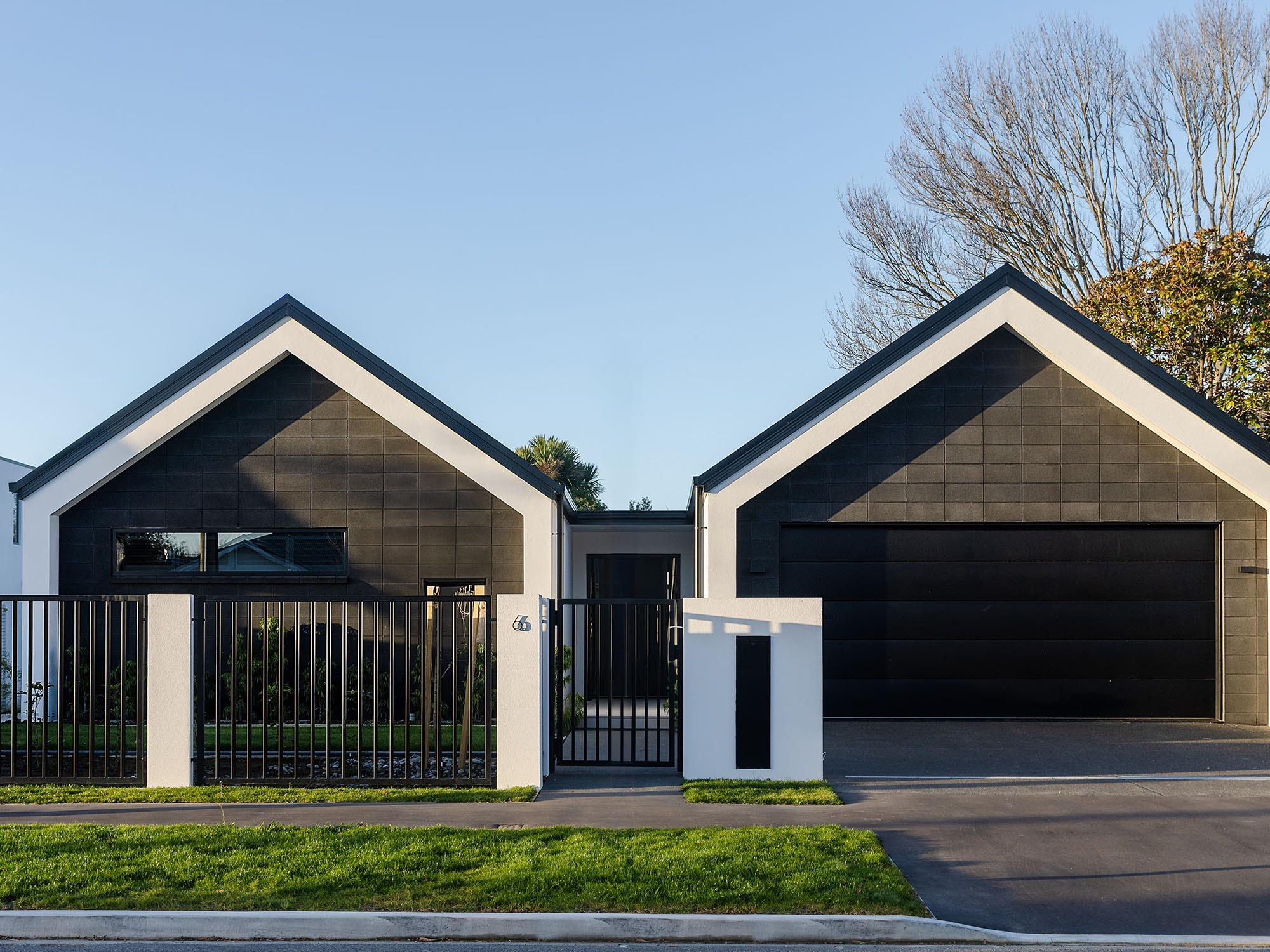
Featured Products 450 Double Carbon Black | Photography Hamish Storey
6) Long-Term Value: Low Maintenance, Enduring Calm
Performance that lasts decades, not seasons
One of the most appealing things about brick is how quietly it performs. Once installed and sealed, Viblock bricks ask for very little attention. A light wash from time to time is usually enough to keep them looking their best. There is no film to refresh, no colour to coax back, and no ongoing maintenance programme to worry about..
This is where Viblock’s approach to craft, precision, and care becomes tangible.
- Craft is seen in the way colour and texture are built into the material itself. Natural aggregates and true-colour mixes create depth that will still feel resolved many years from now.
- Precision is delivered through manufacturing consistency. Clean lines, uniform joints and accurate dimensions make for tidy construction and reduce the need for rework later.
- Care is embedded in every stage, from guidance on sealing and installation through to a commitment to local sourcing that keeps quality within reach.
Homeowners often ask how brick prices compare with other claddings over the lifetime of a home. The difference lies in longevity. A sealed, true-colour brick wall will not need repainting or recoating, and it resists fading even in high-UV environments. Over decades, that steadiness translates into real savings in both time and cost.
If you want a facade that remains consistent and low-stress long after the scaffolding is gone, brick offers that quiet confidence.
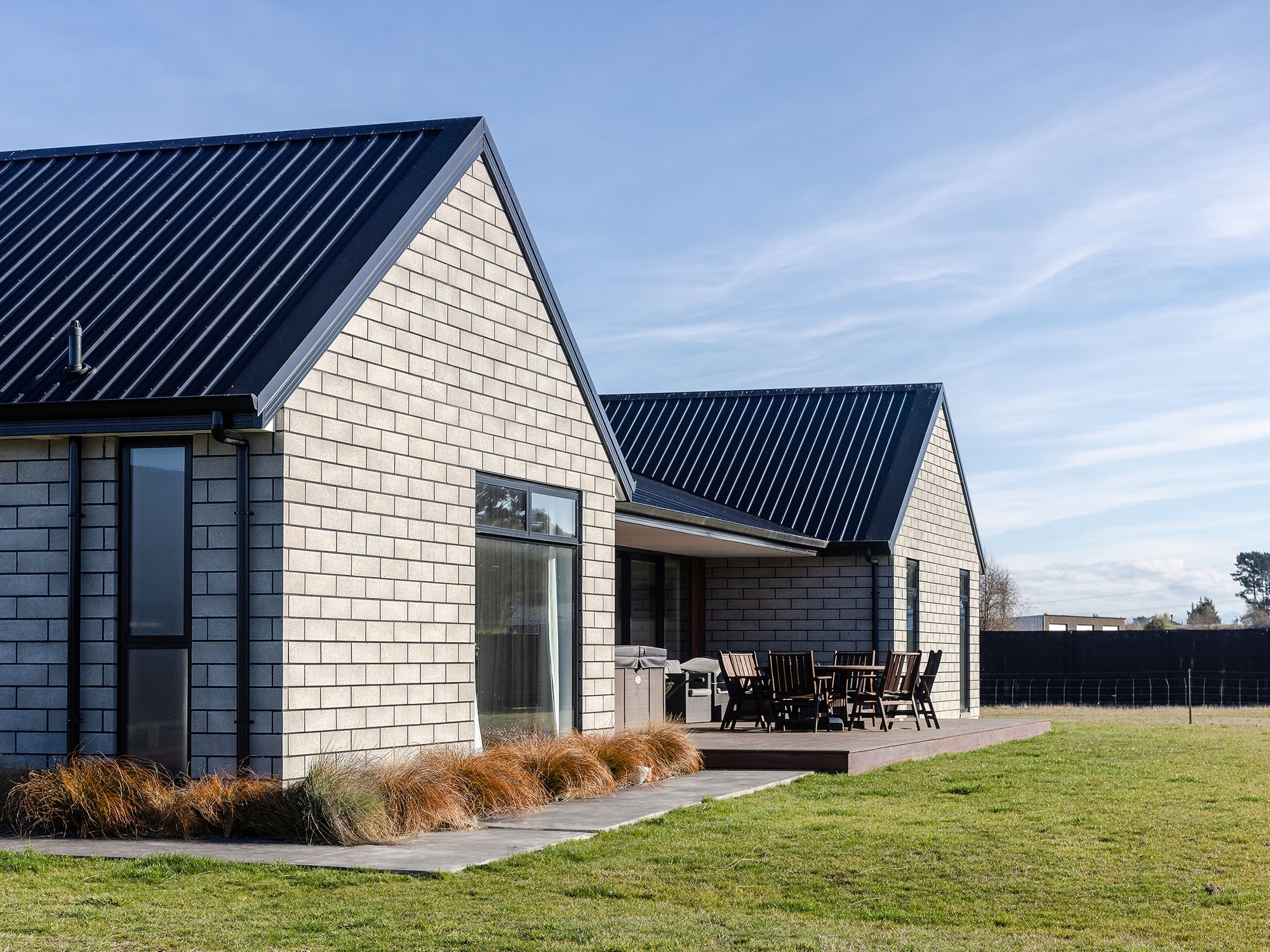
Featured Products 450 Standard Grey with Charcoal Mortar | Photography Hamish Storey
What is the most affordable way to brick a house in NZ?
Choose a larger format with fewer bricks per square metre, keep to a standard stretcher bond, and use standard colours. Simpler patterns and finishes generally mean less time on site and lower installation costs.
Are concrete bricks more durable than clay?
Both materials perform well when installed correctly. Viblock’s concrete bricks offer through-body colour and high dimensional consistency, with long-term low-maintenance durability, especially when sealed.
What percentage of the cost is the brick in an installed wall?
This will depend on the type of brick used, laying patterns, mortar, and the dimensional complexity of the wall; however, generally, the bricks account for 30–45% of the overall cost of the installed wall.
Do lighter coloured bricks cost more?
Lighter or whiter tones often require white cement and specialty aggregates, which can increase material costs. Many homeowners see this as an investment in longevity and appearance, as these tones hold their colour and weather evenly for decades.
How many bricks per square metre should I allow for?
This depends on the format and bond. Slimmer modules like Dart require more units per square metre, while larger options such as Whakatipu need fewer. Your designer or bricklayer can provide a project-specific count once plans are confirmed. A sensible buffer (often 5-10%) helps avoid delays and ensures consistency.
Can I mix brick types or colours in one wall?
Yes, and many architects do. Mixing tones or textures can help define different parts of the home. Keeping the coursing and mortar colour consistent will ensure the wall still reads as one cohesive composition.at quiet confidence.
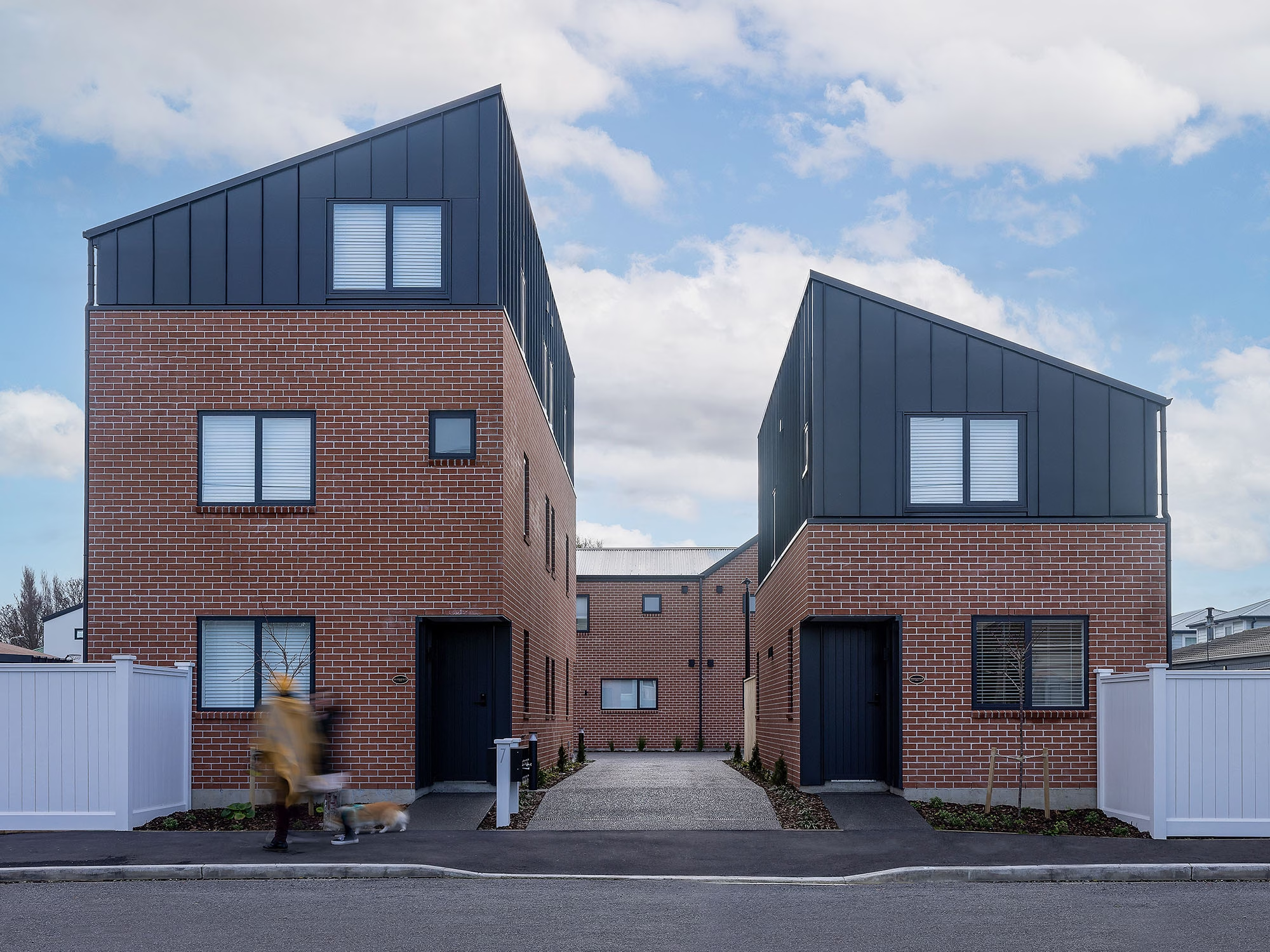
Featured Products 220 Standard Terracotta – White Mortar | Photography Hamish Storey
Choose Once, Enjoy For Decades
Choosing the right brick is about more than managing today’s costs; it is about creating a home that stays consistent and effortless to care for over time.
Viblock’s locally made, true-colour bricks are designed for New Zealand conditions and produced with the same balance of craft, precision, and care that guides every part of our process.
When you work with Viblock, you are choosing materials that make construction easier, maintenance simpler, and design more enduring. The result is a home that looks considered from day one and remains that way for years to come.
Next steps
Explore formats and finishes on View All Bricks
Read more on design and detailing: Concrete Brick Beauty: How Natural Variation Helps Create Timeless Walls and 7 Creative Ways to Transform Brickwork Into Architectural Design Statements.
Talk with our team about how Viblock can help align your design vision and budget. We’re here to support you with clear, practical information so you can make informed choices and approach your project with confidence. Reach us by calling 0800 842 562.