Creative Ways to Transform Brickwork Into Architectural Design Statements
Explore how thoughtful mortar and pattern choices elevate brickwork into refined architectural features across projects in Aotearoa and beyond.
Concrete doesn’t have to be cold. In fact, with the right pattern, profile and finish, it becomes an expressive medium for architectural creativity.
At Viblock, we believe every wall is a design opportunity. Whether you’re crafting calm minimalism or bold modernism, your choice of laying pattern, mortar finish, and orientation plays a pivotal role. This guide explores how creative brick laying patterns can completely transform the feel of your project, with real-world examples from some of Aotearoa’s most design-forward homes and developments.
Our approach is built on three pillars:
Craft – Our end-to-end design and manufacture process enables customisation and fine-tuning of aesthetics.
Precision – Our quality control saves time, money and environmental waste.
Care – As a small business, we’re personally invested in exceeding your expectations. Guidance and systems that make design ambitions buildable.
Let’s take a closer look at how pattern and mortar become tools of the architect.
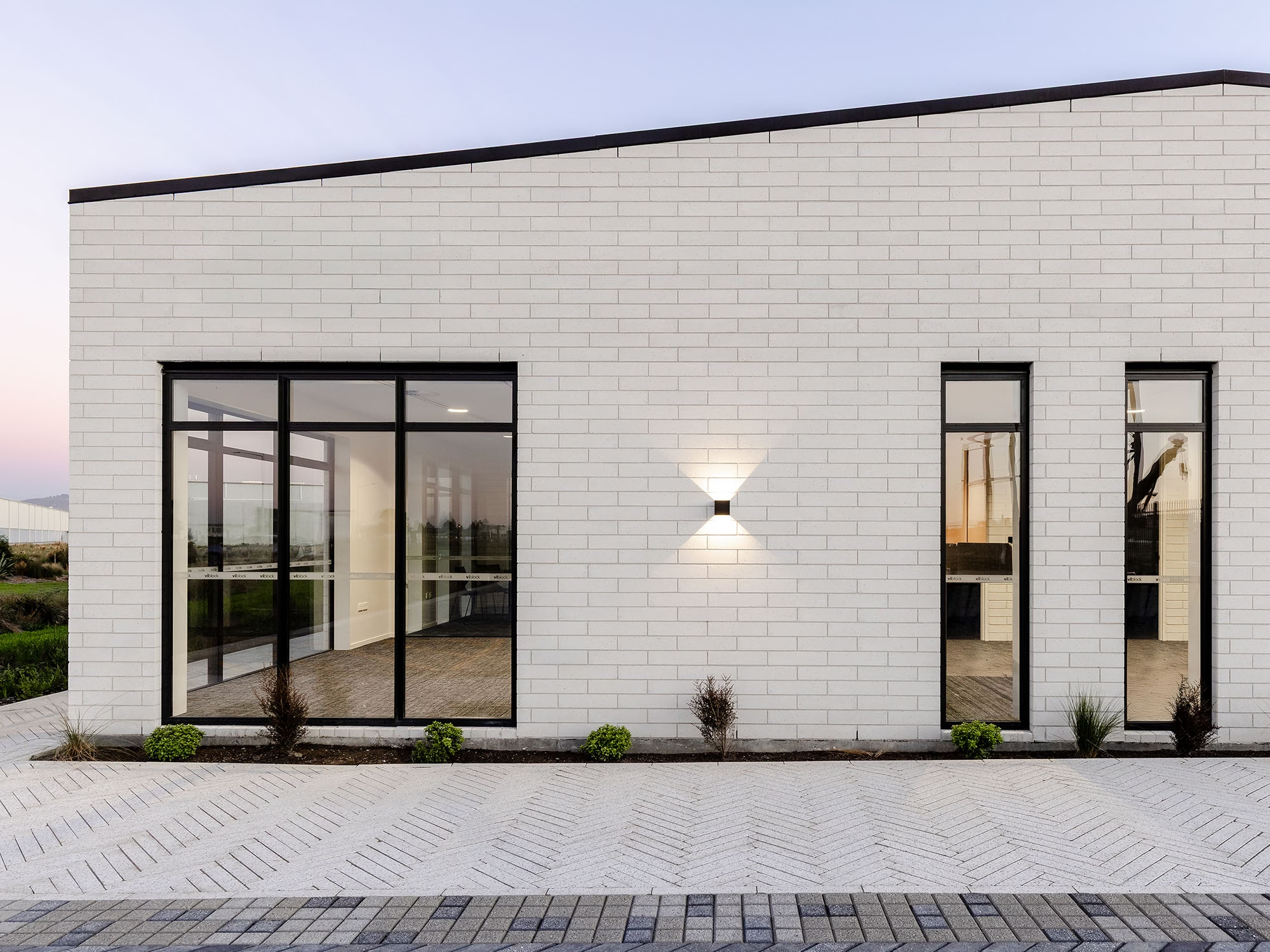
Viblock Showroom & Office, Christchurch | Featured Products: 390 Half | Photography Hamish Storey
1. Start With the Right Brick: Craft Begins Here
Before patterns or mortar come into play, the brick itself sets the tone.
Viblock’s architectural bricks are made using upcycled aggregate from the Central Otago goldfields – connecting each project to a unique local material story. Beyond that, our bricks are known for dimensional accuracy, which enables tight joints and clean geometry that elevate every surface of your brickwork.
Example:
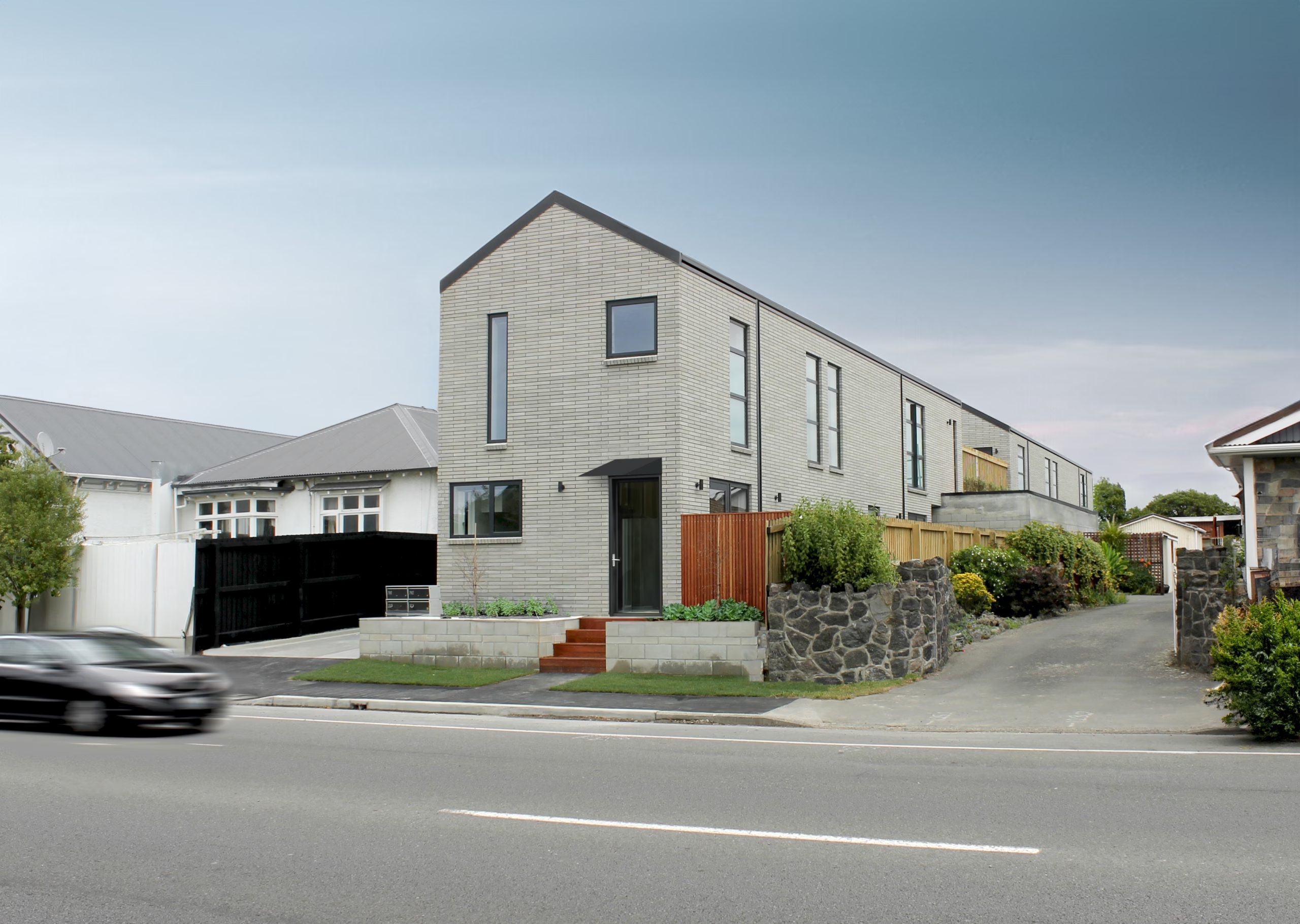
450 Slim Grey – Grey mortar, stretch bond
A clean, consistent wall finish with subtle tonal variation. This example demonstrates how precision manufacturing results in tight joints and elegant repetition.
Example:
220 Standard, Terracotta – natural flush mortar
A warmer, more traditional hue brought into contemporary use with flush jointing and slim proportions.
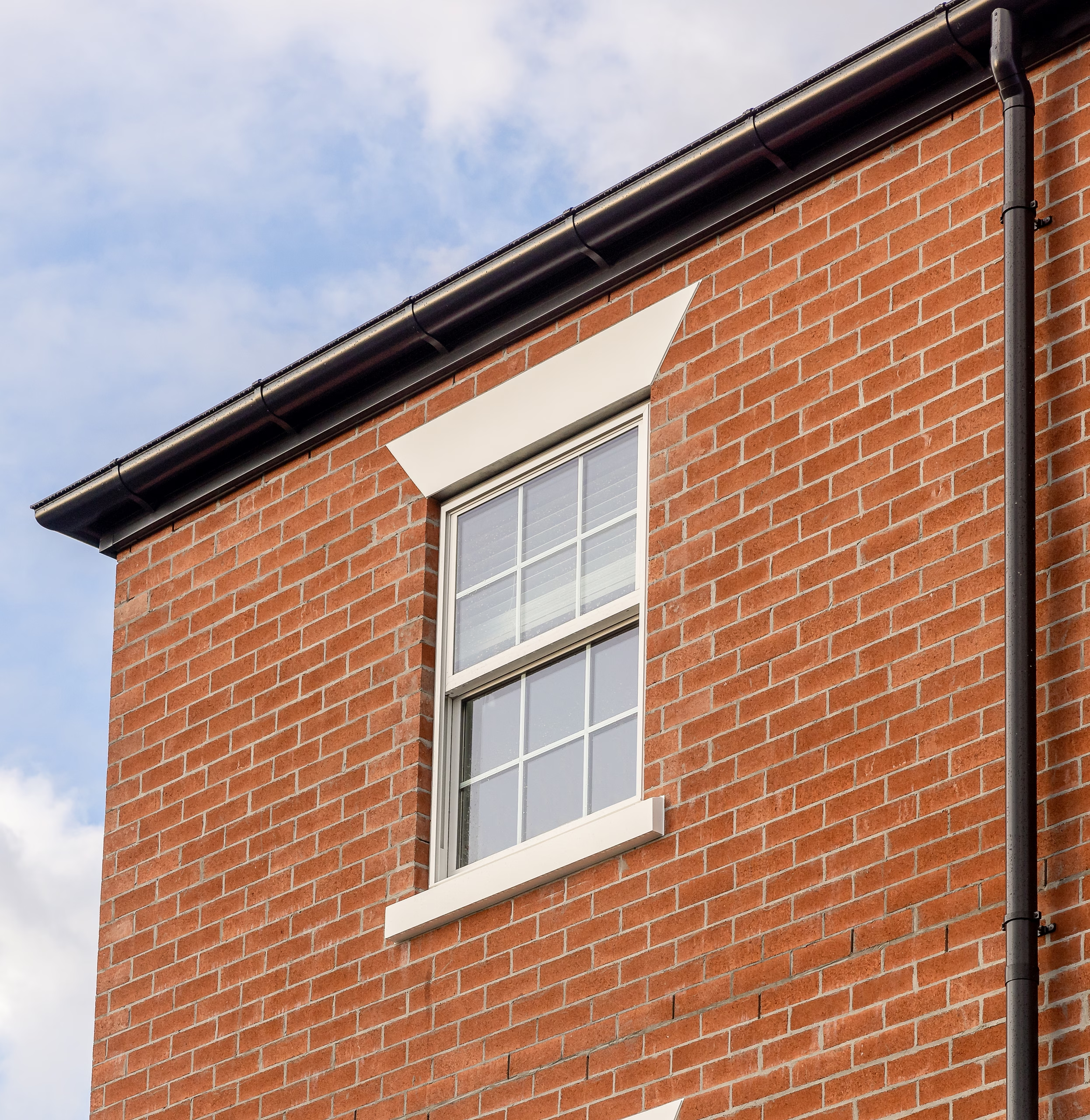
Project by Brooksfeild | Featured Products: 220 Standard Terracotta – Grey Flush mortar | Photography Hamish Storey
2. The Power of Mortar Colour
Mortar is often an afterthought, but it can dramatically change the visual presence of brickwork. Matching mortar creates a seamless appearance, allowing the form of the structure to lead. Contrasting mortar, on the other hand, sharpens each line and brings the laying pattern into focus.
At Viblock, we recommend a colour match for a seamless finish, and can advise on bagged mortar options or provide oxide for custom blends.
Example:
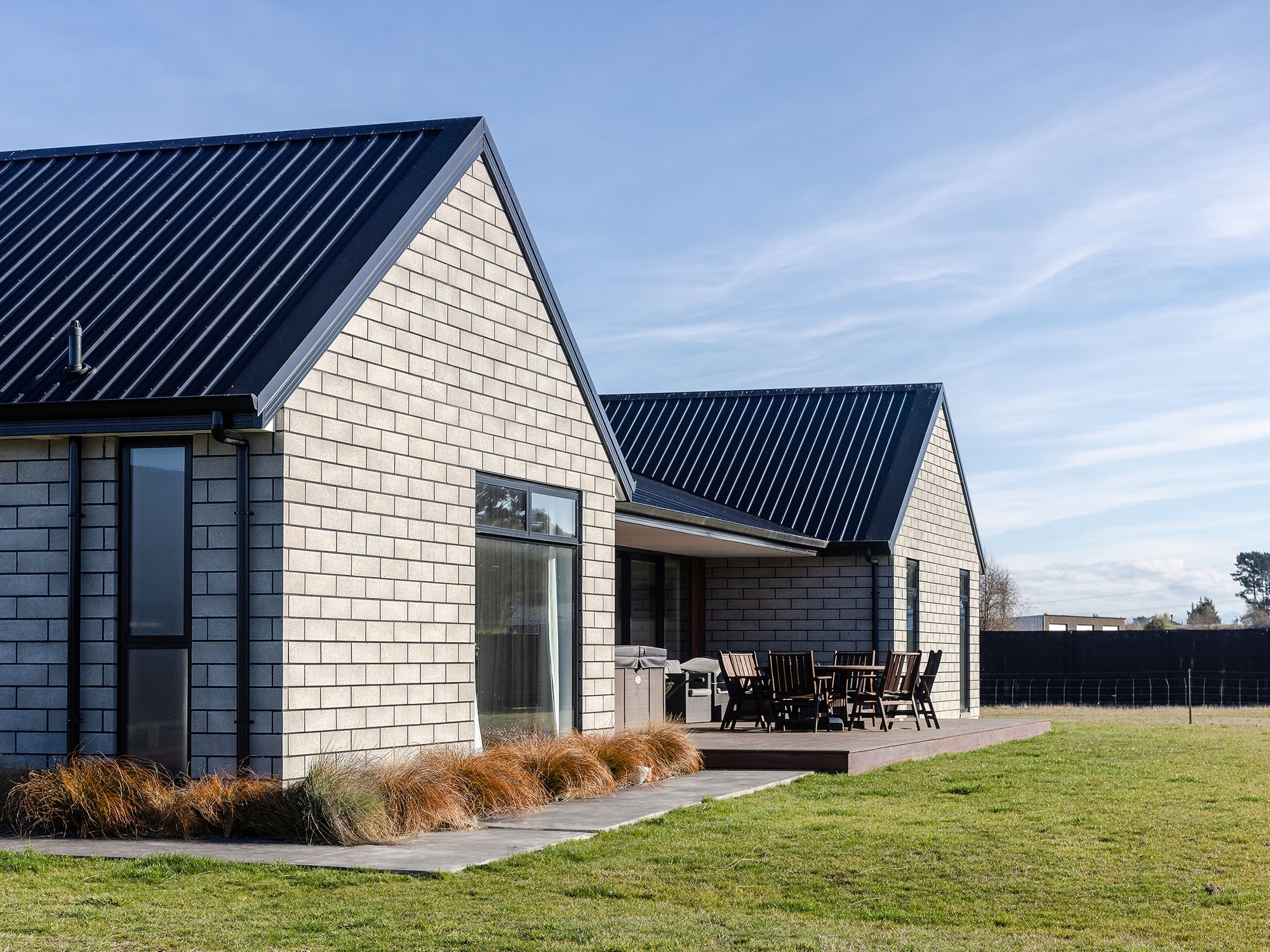
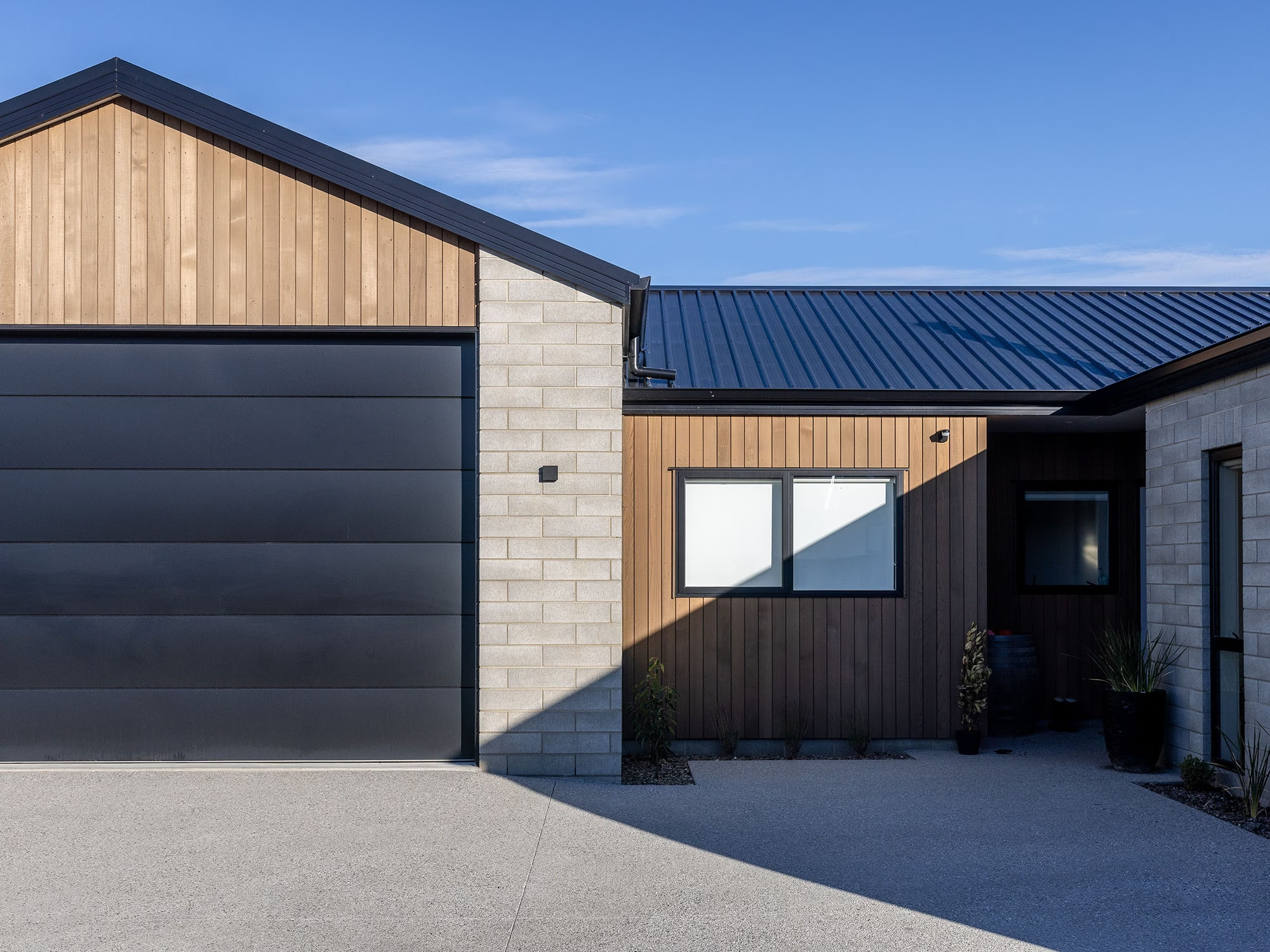
450 Standard, Grey – Charcoal mortar (first) vs grey mortar (second)
Natural mortar brings warmth and uniformity. Charcoal, by contrast, highlights every joint, adding a sense of structure and depth.
3. Mortar Finish: Texture Tells the Story
Different joint profiles create different effects. Flush joints feel monolithic and understated, ideal for modern design. Raked or V-joints introduce shadow lines that enhance geometry. Viblock’s clean edges and dimensional consistency ensure all finishes remain sharp and intentional.
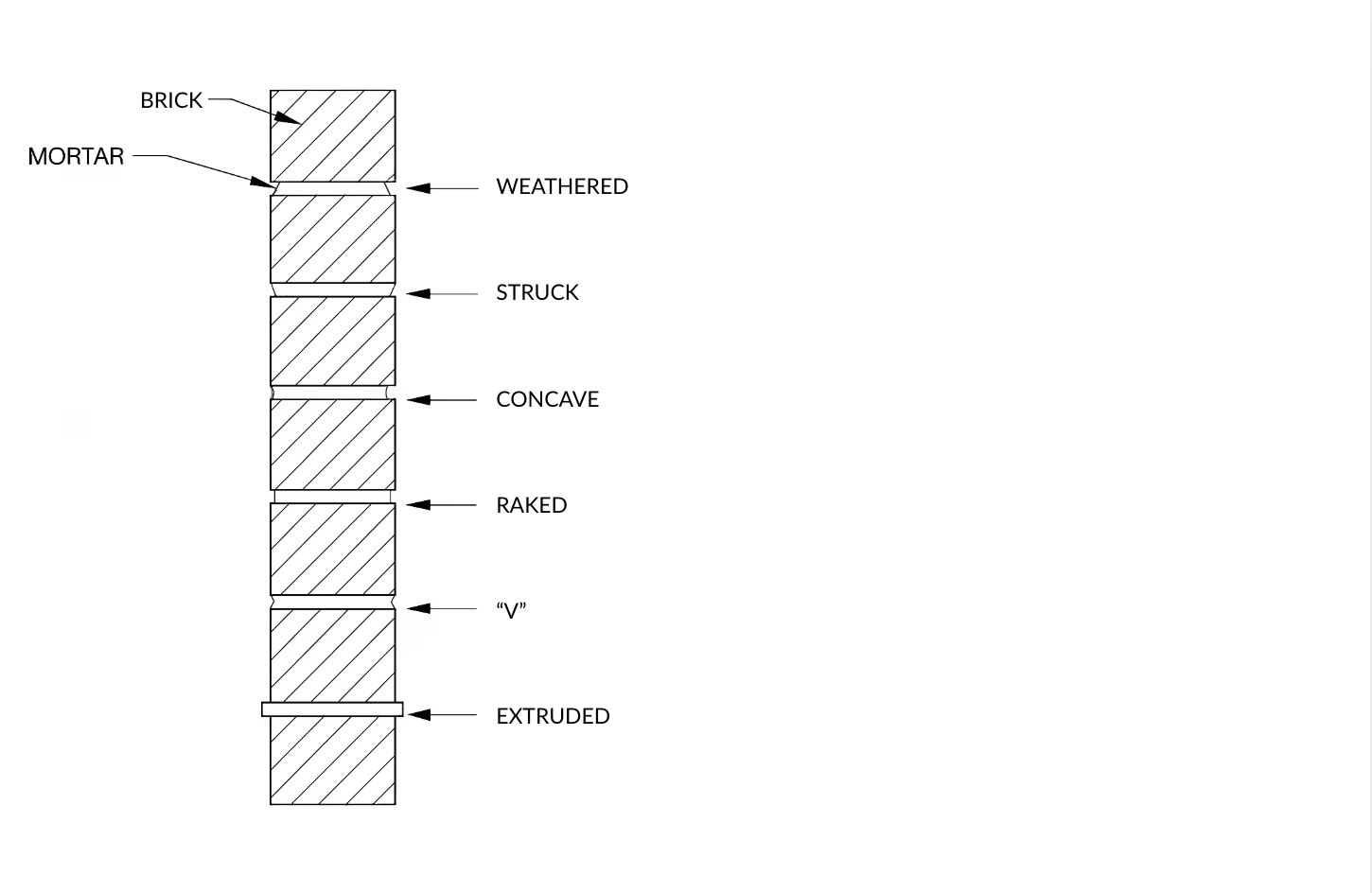
Example – Common Mortar Joint Types
Example:
450 Slim White — flush (First) vs 450 Half white raked joint (second)
Flush joints create a softer, more uniform surface ideal for painted or bagged finishes. Raked joints, by contrast, sharpen the geometry and define each unit with architectural clarity.
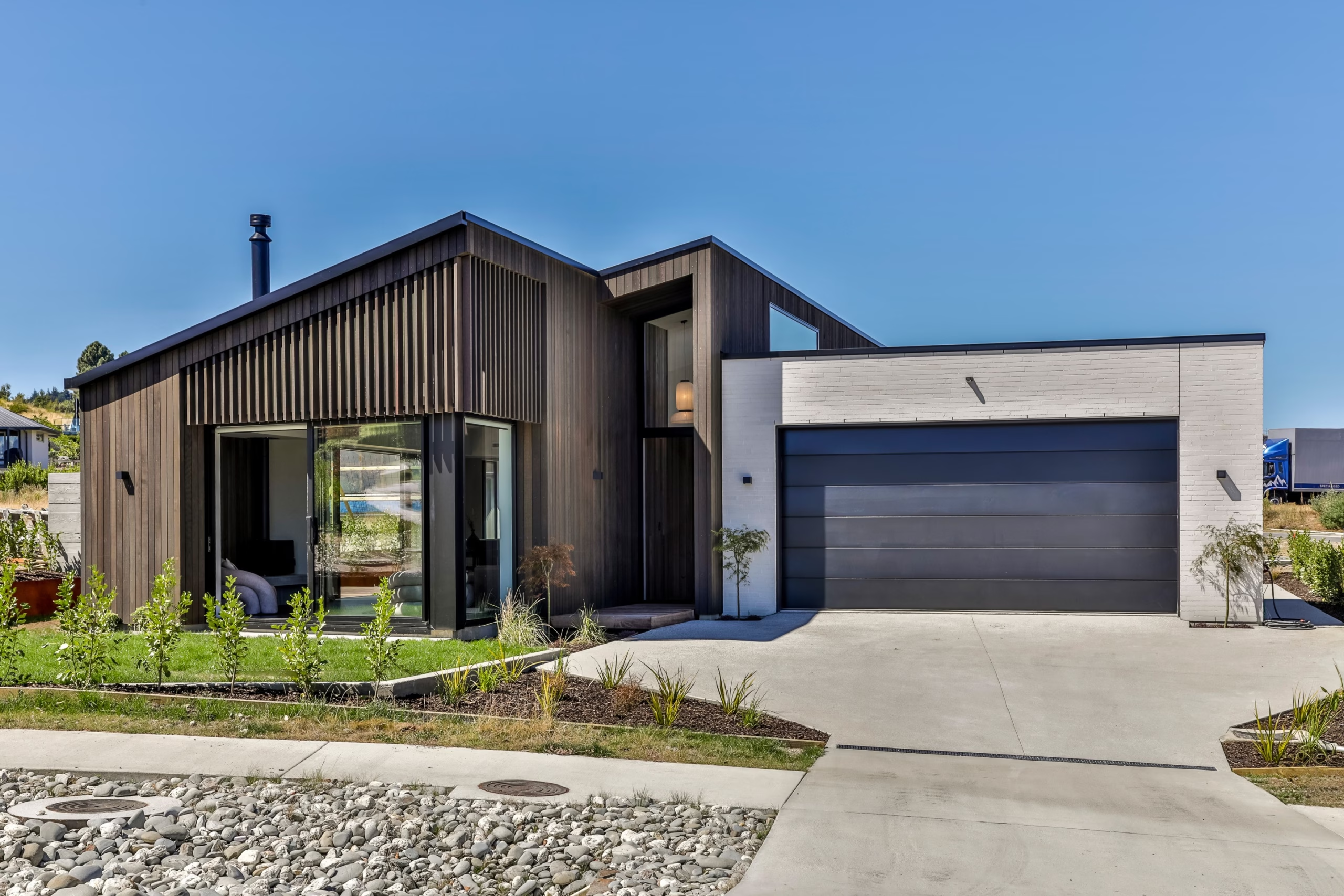
Project by Threefold Architecture | Featured Products: 450 Slim White – White Flush mortar Random Bond
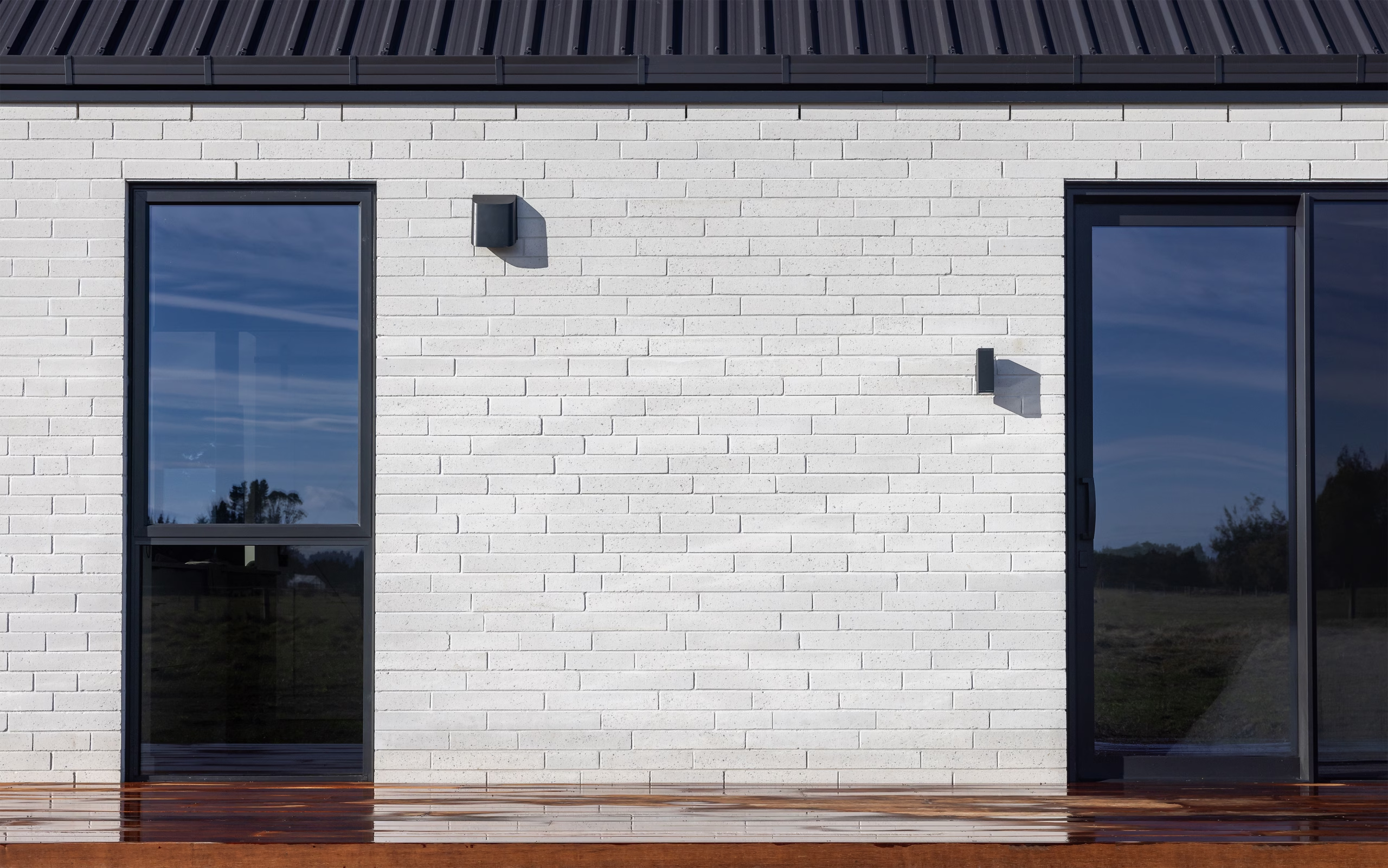
Featured Products: 450 Half White – Raked Mortar Random Bond | Photography Hamish Storey
4. Pattern Play: Beyond the Stretcher Bond
The laying pattern – or bond – is a key architectural device. While stretcher bond is a staple of New Zealand building, alternative bonds offer new design opportunities. Stack bonds give a structured, linear look. Random bonds break rhythm for a more informal tone. Protruding or irregular random bonds create expressive, sculptural surfaces.
Viblock bricks are dimensionally consistent, making even complex bonds achievable without compromise.
Examples:
Above random bond, below protruding random bond/offset bond, below stack bond
The slight offsets and flush jointing create rhythm without rigidity. Ideal for pared-back architectural styles. The stack bond’s vertical alignment and contrast jointing result in a refined, formal expression.
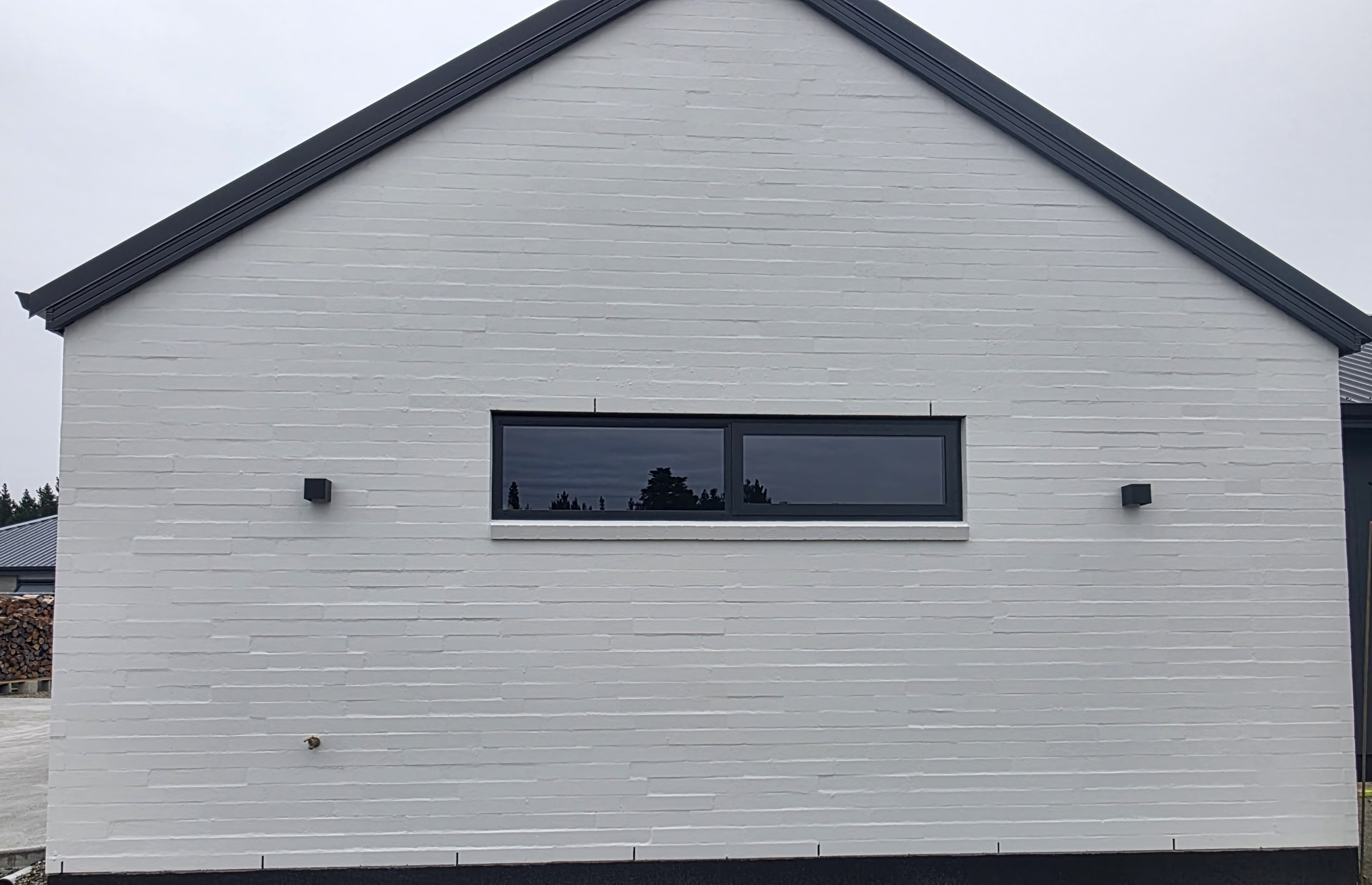
Installed by Otago Masonry | Featured Products: 450 Half – Bagged and Painted – Protruding/Offset Bond
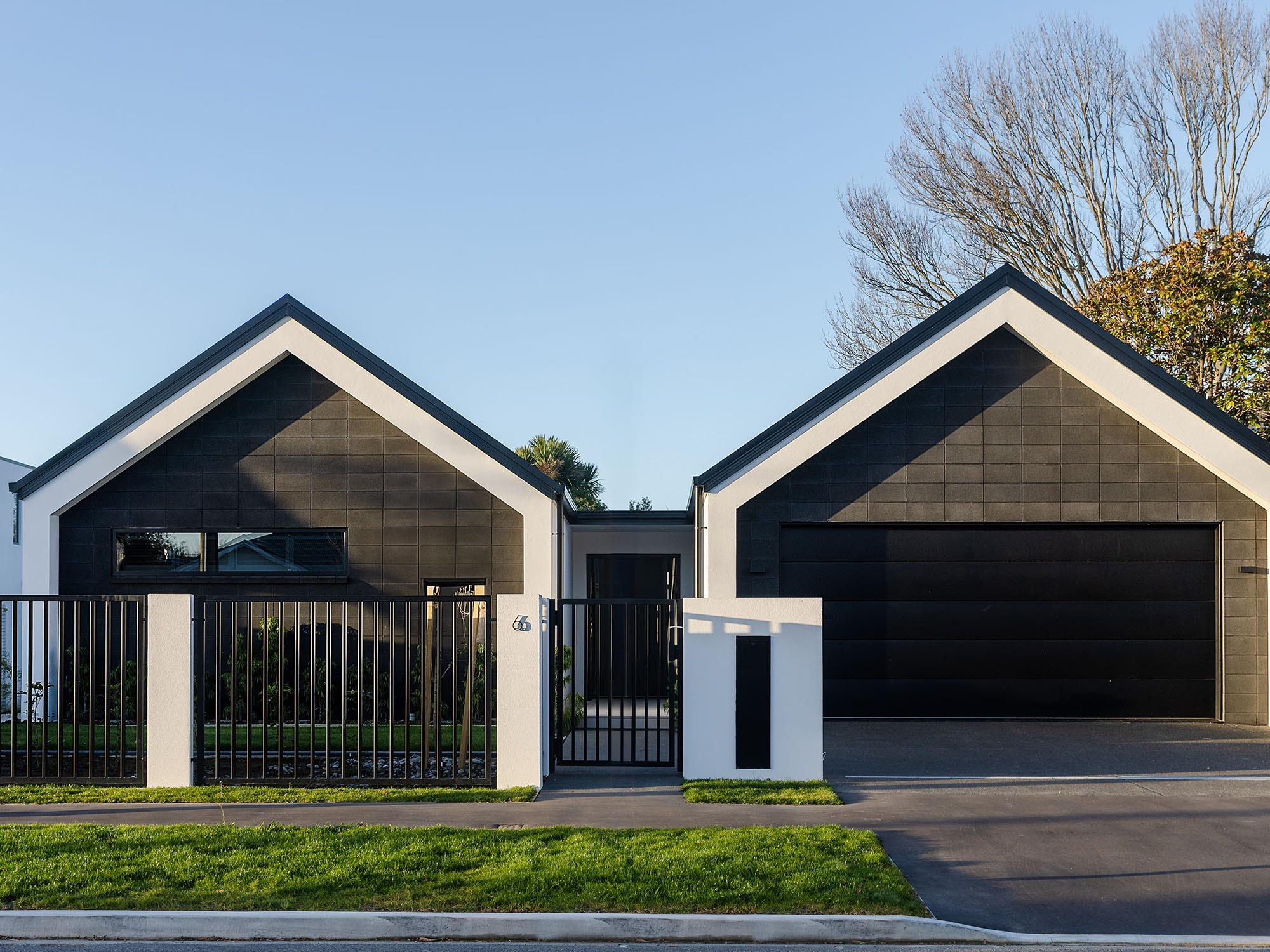
Featured Products: 450 Double Carbon Black Stack Bond | Photography Hamish Storey
5. Brick Orientation: Design Meets Innovation
One of the simplest ways to add a layer of architectural interest is by reorienting the bricks themselves. Techniques like soldier coursing – where bricks are laid vertically – or rowlock and header details can create banding, rhythm or emphasis. Viblock bricks are dimensionally true, making them well suited to these expressive layouts.
Viblock allows up to 5% of a wall to be laid in soldier or corbelled format without requiring additional structural engineering, giving architects design freedom with confidence.
Example:
Soldier course detail – european inspiration
Vertical orientation draws the eye and provides subtle articulation across the façade. Used sparingly, orientation changes can mark transitions, frame apertures, or create visual ‘pauses’ across expansive brickwork.
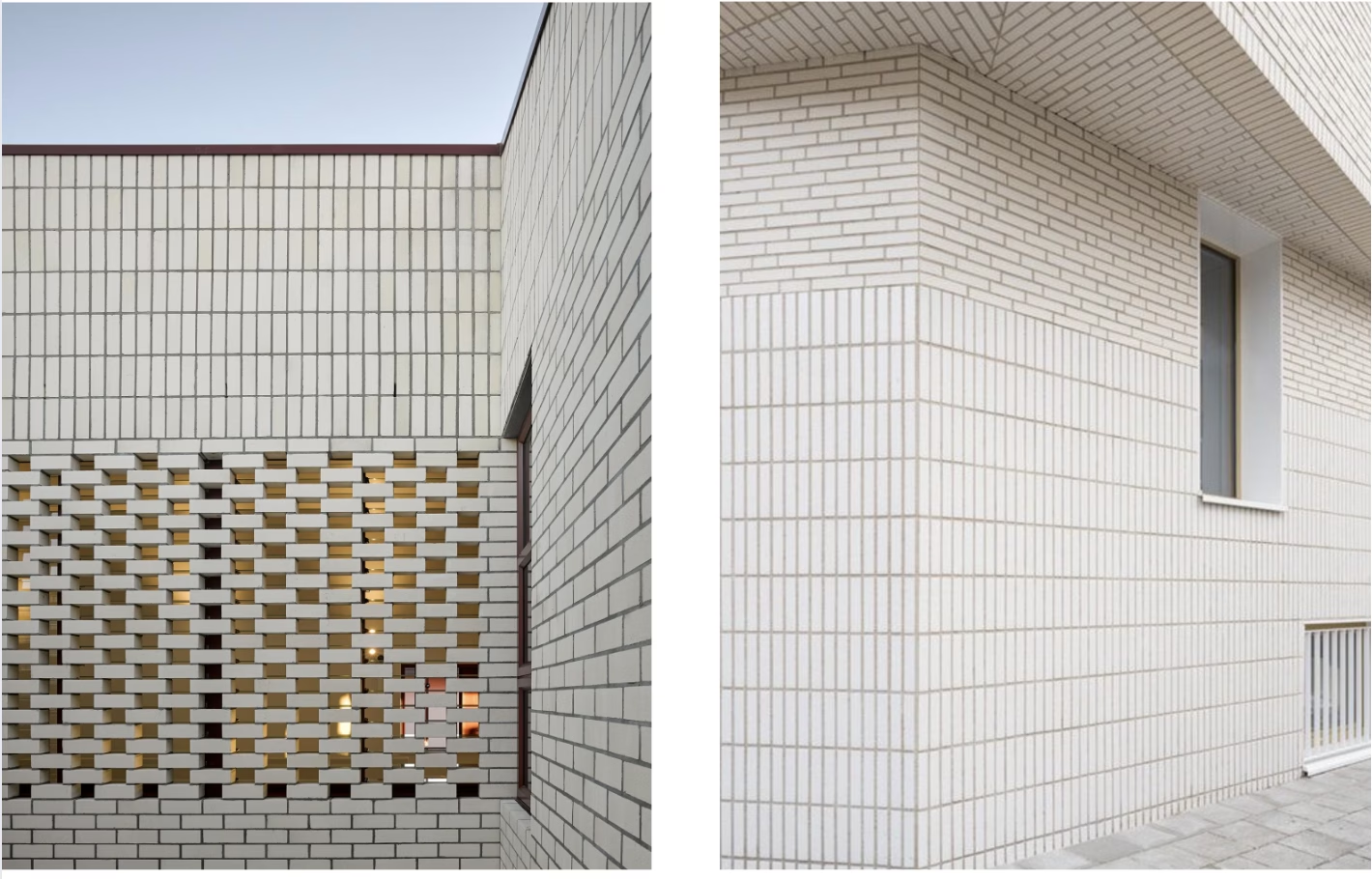
Left: Casuarina House Project by Vokes and Peters | Right: Daenen Project by Komann
6. Openwork Screens: Aesthetics and Airflow
Brick screen walls are seeing a revival in both residential and commercial settings. These perforated designs filter light and air while providing privacy and visual intrigue.
Viblock’s precision manufacturing makes screen walls highly effective, particularly in warmer climates or for buildings seeking passive ventilation and soft shadow play.
Example:
Screen wall installation – european inspiration
This screen creates texture and transparency, allowing filtered light and cooling airflow without compromising privacy.
This type of detailing also aligns with environmentally conscious design thinking, reinforcing passive performance strategies.
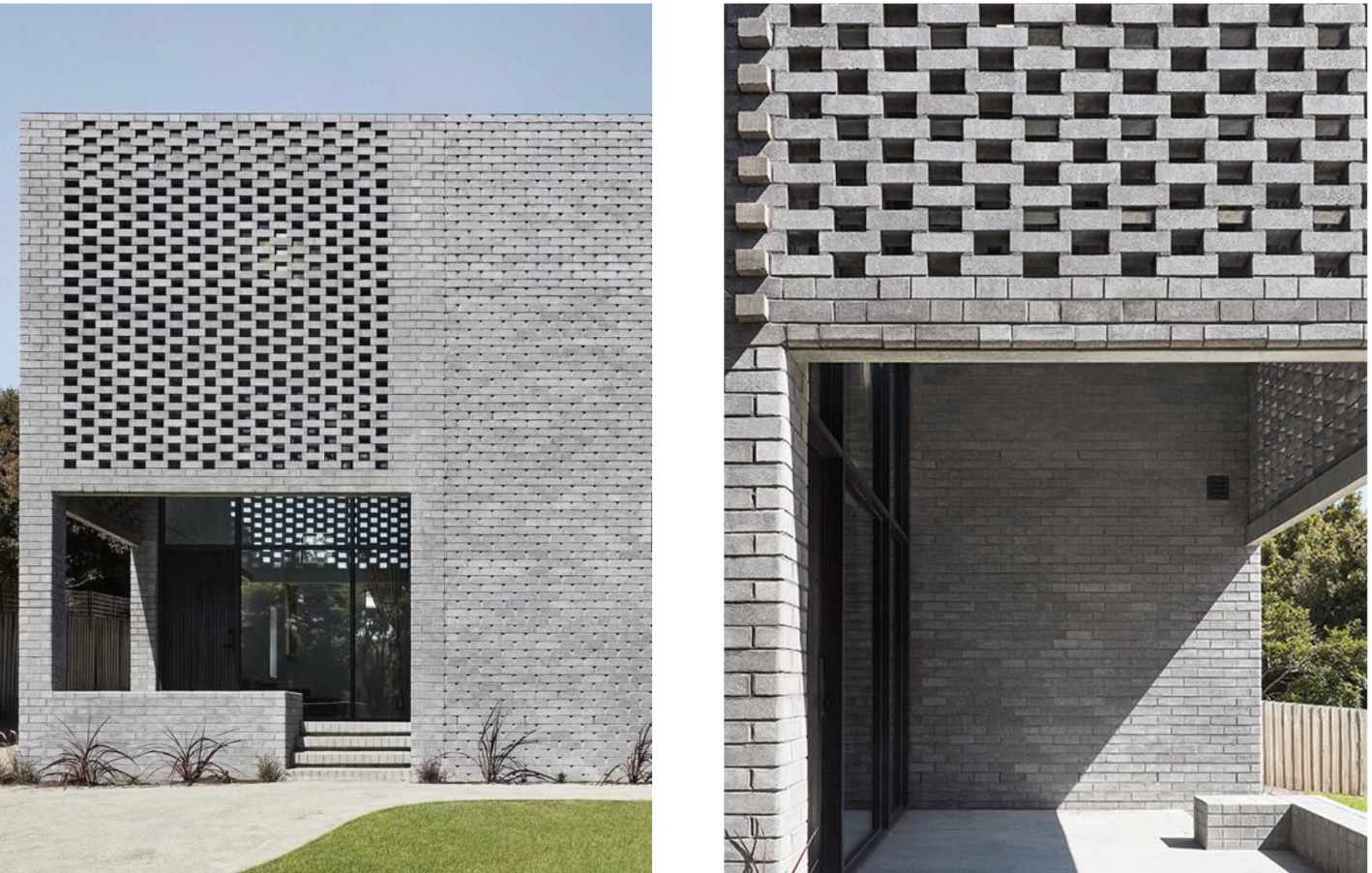
Cuboid Hoise by LLDS Architecture
7. Corbelling: When Walls Become Sculpture
Corbelling is the practice of projecting each successive course of bricks slightly beyond the one below, creating shadow, depth, and rhythm. Used at cornices, overhangs, or window surrounds, corbelling adds sculptural expression to otherwise flat planes.
Viblock’s uniform sizing and sharp arrises allow for consistent overhang and crisp geometry, supporting both contemporary and classical detailing.
Example:
Corbelled façade projects – european inspiration
This design approach introduces dynamic surface articulation – a nod to heritage craft with modern impact.
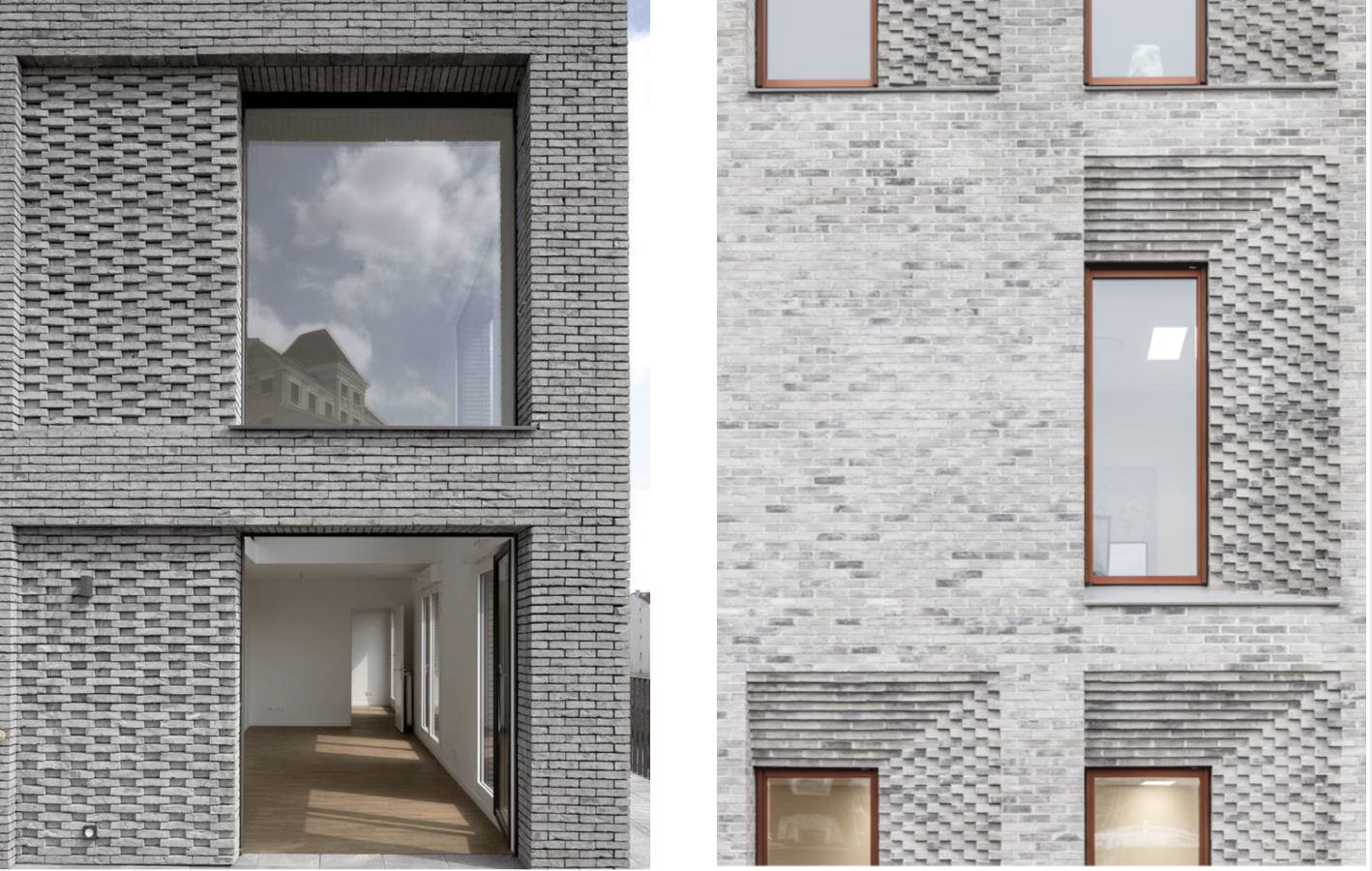
Left: Martin Candaten Architect | Vejen Town Hall Project by Pluskontoret Arkitekter
Conclusion: Material That Speaks the Language of Design
Concrete brickwork is no longer just about structure. With the right product and thoughtful design, it becomes a medium for architectural expression.
Whether you’re experimenting with screen walls, refining joint finishes, or pushing pattern boundaries, Viblock provides the consistency, quality, and local knowledge to help you get it right.
Our bricks are made from upcycled aggregate, carry a lower embodied carbon footprint than imported clay options, and are supported by over 20 years of technical documentation and on-site performance.
Let’s build something timeless.
For samples, mortar advice, or guidance on your project’s pattern possibilities, contact the Viblock team. We’re here to support great design – brick by brick.
Reach us by calling 0800 842 562 or via our contact page.
Newsletter
Sign up to our newsletter to receive inspiration, new products, tips and changes in our industry