
Planning a Brick Home? Here’s What to Get Right Before Bricklaying Starts
The best brickwork often looks effortless.
The proportions feel balanced. The bond appears natural. The mortar supports the brick rather than competing with it. Openings, corners and transitions all sit exactly where they should.
That result rarely happens by accident.
At Sumner House, Viblock 450 Slim concrete bricks create strong horizontal lines across the exterior before continuing inside through matching brick slips cut from the same product. White mortar, a carefully planned random bond and close coordination between the project team give the home a consistent material language from outside to in.
The finished brickwork reflects good installation, but many of the decisions that shaped it were made before the first brick was laid.
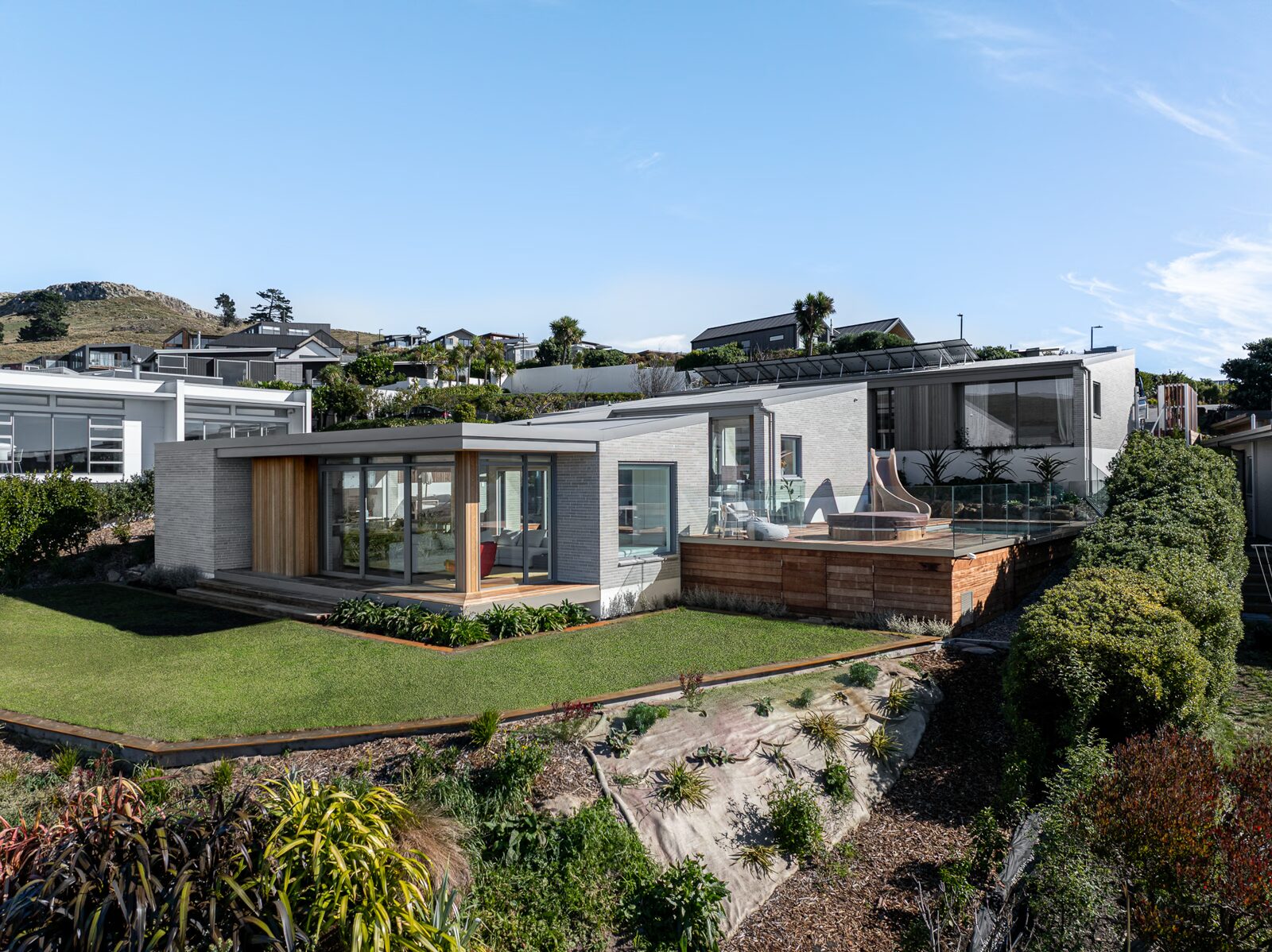
Sumner House | Featured Product: Viblock 450 Slim concrete bricks in Grey | Bricklayer: Richie’s Brick & Block | Builder: Sinclair Builders | Photography: Bcreative
Get the project team aligned early
Brickwork affects more than the exterior finish. Brick dimensions and bond patterns can influence wall set-outs, openings, sill details, lintel positions and the way brickwork meets other materials.
That makes early coordination between the homeowner, architect, builder and bricklayer particularly important.
Richie of Richie’s Brick & Block recommends involving the bricklayer during the design process, especially when a project includes slim-format bricks or a more complex bond.
“Slim-format bricks and random bond require careful set-out and attention to detail, but when they’re installed properly, the result is a timeless finish that adds real character and value to a home.”
Early conversations allow the team to identify potential issues while they are still easy to resolve, rather than once work is already underway.
See how those decisions came together at Sumner House in the project overview video below.
Chose the brick, mortar and bond together
The brick may be the starting point, but it is only one part of the finished wall.
Mortar colour and joint finish can significantly change how a brick appears. The bond pattern affects its rhythm, scale and relationship to the architecture. These decisions should be considered together rather than treated as separate selections.
At Sumner House, the long, slim proportions of the Viblock 450 Slim create clean horizontal lines across the building. White mortar gives the brickwork a crisp, contemporary character suited to the coastal setting.
The random bond softens that precision by creating a more relaxed pattern across the wall.
It may look informal, but Richie explains that achieving a natural random bond takes careful thought.
“The random bond pattern is one of those details that looks effortless when it’s done well, but it actually takes a lot of planning and experience. You have to constantly think ahead to make sure the pattern feels natural, with no obvious repetition or distracting lines. That’s where the craftsmanship comes in.”
Agreeing these visible details early gives everyone a clear reference for the finished result.
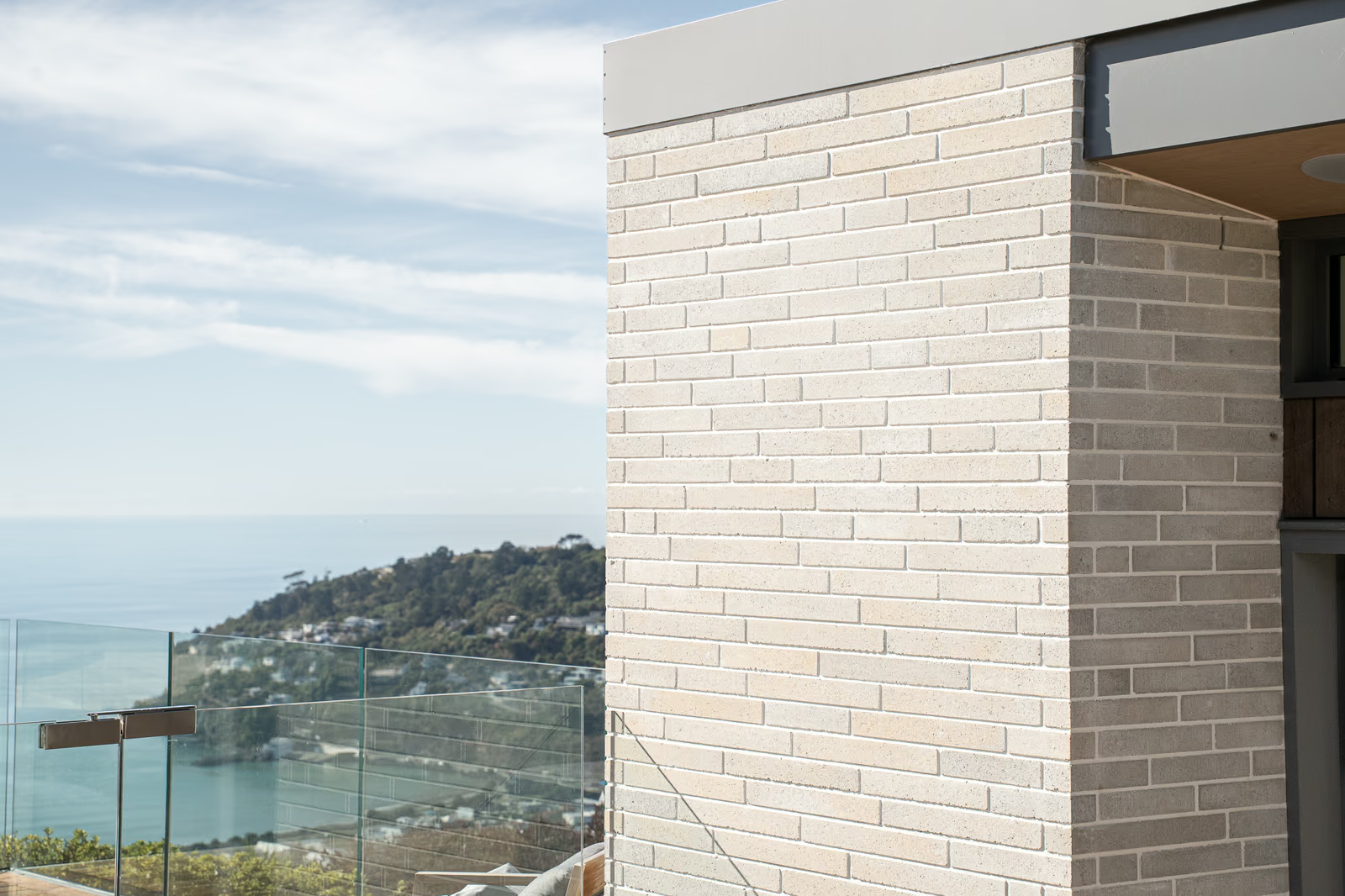
Sumner House | Bricklayer: Richie’s Brick & Block | Builder: Sinclair Builders | Photography: Bcreative
Build a sample panel
A small brick or mortar sample can be helpful, but it cannot show exactly how the combination will read across a finished wall.
For architectural brickwork, a sample panel brings the main decisions together in one place: the actual brick, mortar colour, joint finish and bond pattern.
A panel was built before work began at Sumner House.
“We always recommend doing this where possible, particularly with architectural bricks or different bonds, as it gives everyone a chance to see the brick, mortar colour, joint finish and overall look together,” says Richie. “It also helps pick up any issues or changes early, rather than after a large area has been completed.”
A sample panel is particularly useful where the brickwork is prominent or the design relies on a specific colour, bond or finish. It gives the homeowner and project team something tangible to review and approve before full installation begins.
Plan quantities, delivery and blending
Running short of bricks can create delays and may introduce a greater risk of visible variation if additional bricks come from another production batch.
Before bricklaying begins, the required quantity should be confirmed with an appropriate allowance for cuts, breakages and project detailing. The correct product and quantity should also be checked when it arrives on site.
Storage matters too. Bricks should be protected from mud, dust, rain and other site damage before they are laid.
During installation, Richie recommends blending bricks from multiple pallets rather than completing one pallet at a time.
“Bricks are a natural product and there can be slight variations in colour and texture between different batches or pallets. Blending them helps spread those variations evenly across the wall and gives the finished brickwork a more consistent and natural appearance.”
Variation does not necessarily indicate a fault. When it is understood and distributed carefully, it contributes to the depth and character of the finished surface.
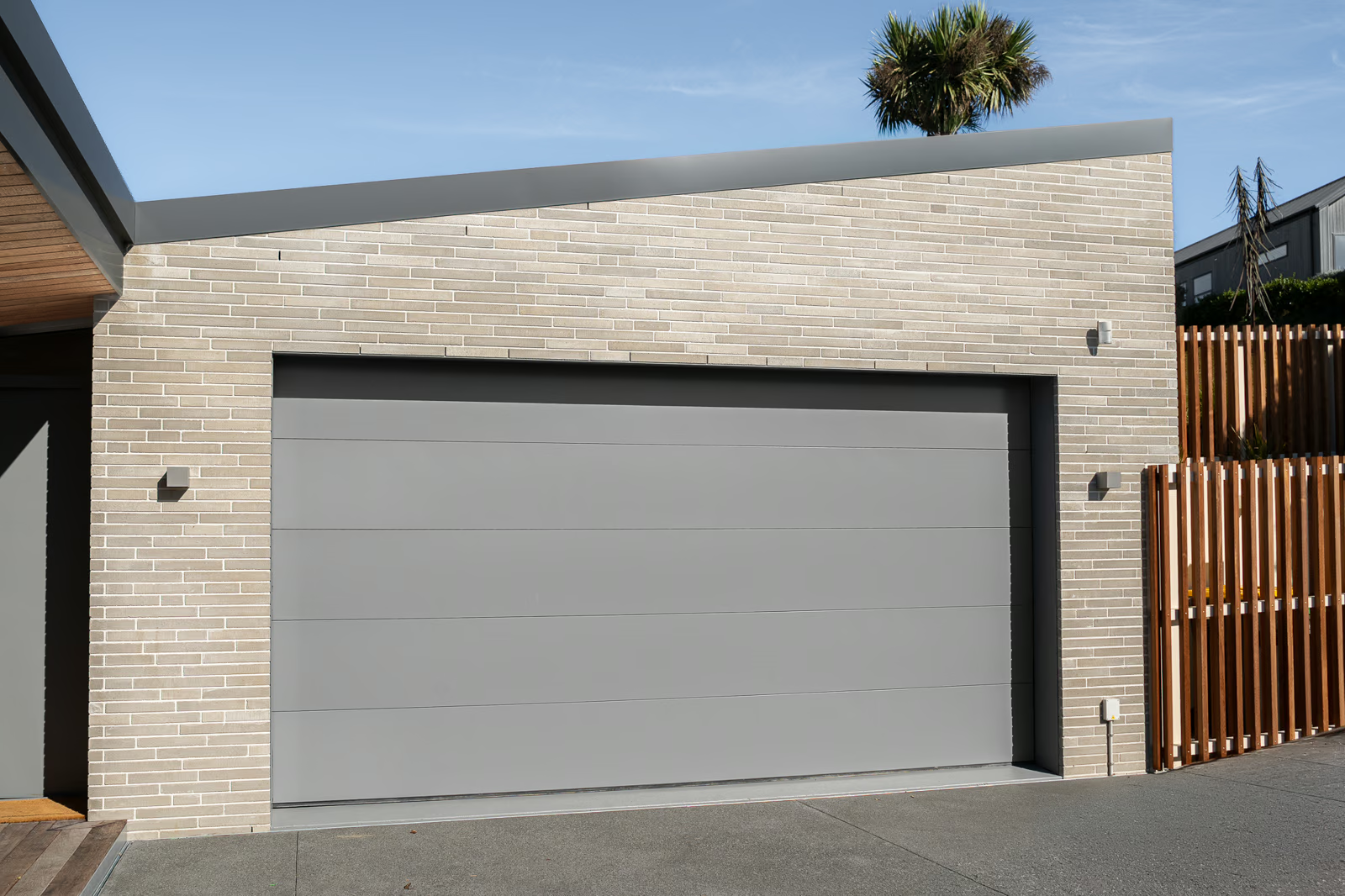
Sumner House | Bricklayer: Richie’s Brick & Block | Builder: Sinclair Builders | Photography: Bcreative
Make sure the site is ready
Good planning can still be undermined if the site is not ready when the bricklayers arrive.
Richie recommends confirming that the bricks and correct quantities are on site, plans and set-outs are accurate, and lintels, flashings, cavity trays and wall openings are in the correct positions. Suitable access and scaffolding should also be available.
These checks reduce the risk of work stopping while details are corrected or materials are sourced.
“A lot of problems come down to poor planning and coordination between the different trades,” Richie says. “Things like incorrect openings, lintel heights, insufficient support, poor set-out or not allowing for the brick dimensions can create issues once the brickwork starts. With architectural brickwork, small mistakes can be very noticeable, so getting the details right before we start is really important.”
The earlier these points are checked, the easier it is to protect both the construction programme and the intended design.
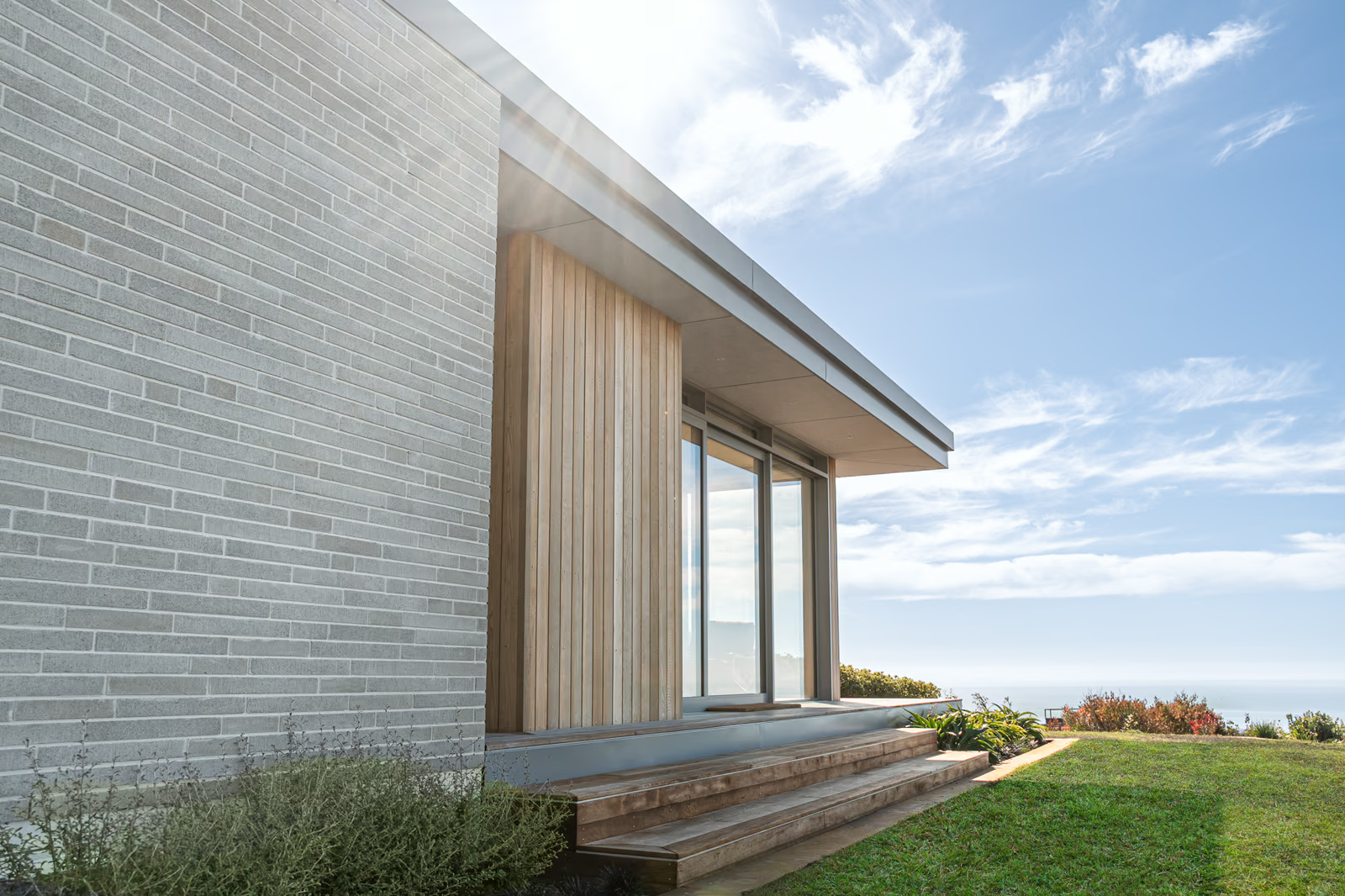
Sumner House | Bricklayer: Richie’s Brick & Block | Builder: Sinclair Builders | Photography: Bcreative
Use experience to deliver the detail
Even a carefully selected brick needs skilled installation.
Slim formats, random bond patterns, corners, openings and transitions all require close attention to alignment and proportion. The installer must also anticipate how decisions made on one part of the wall will affect the areas still to come.
At Sumner House, Richie’s Brick & Block worked alongside Sinclair Builders to translate the architectural intent into the finished brickwork.
The result demonstrates the value of combining a well-considered material with planning, coordination and experienced workmanship.
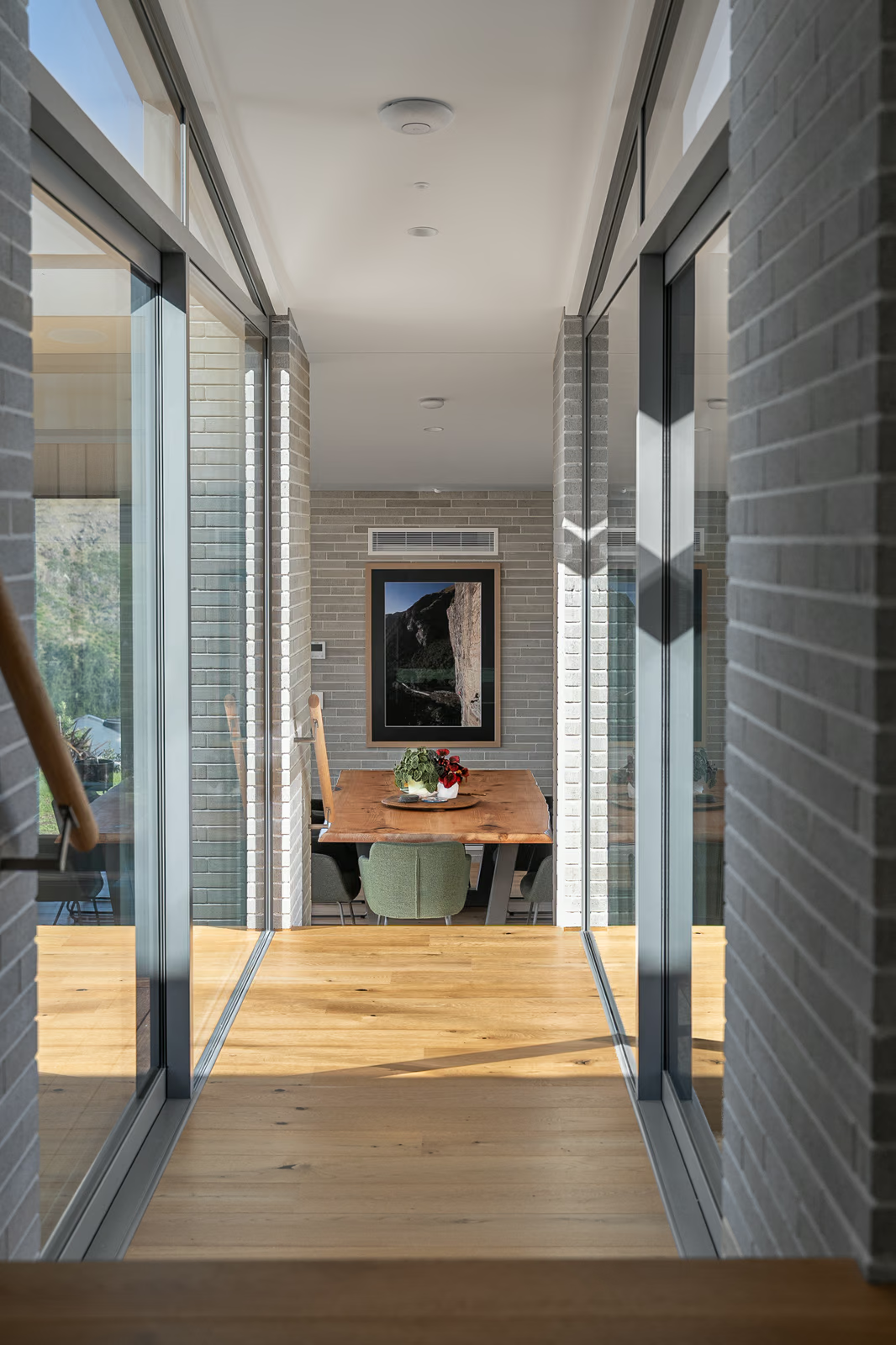
Sumner House | Bricklayer: Richie’s Brick & Block | Builder: Sinclair Builders | Photography: Bcreative
Think beyond the exterior
One of the defining decisions at Sumner House was to continue the exterior brick language into the interior.
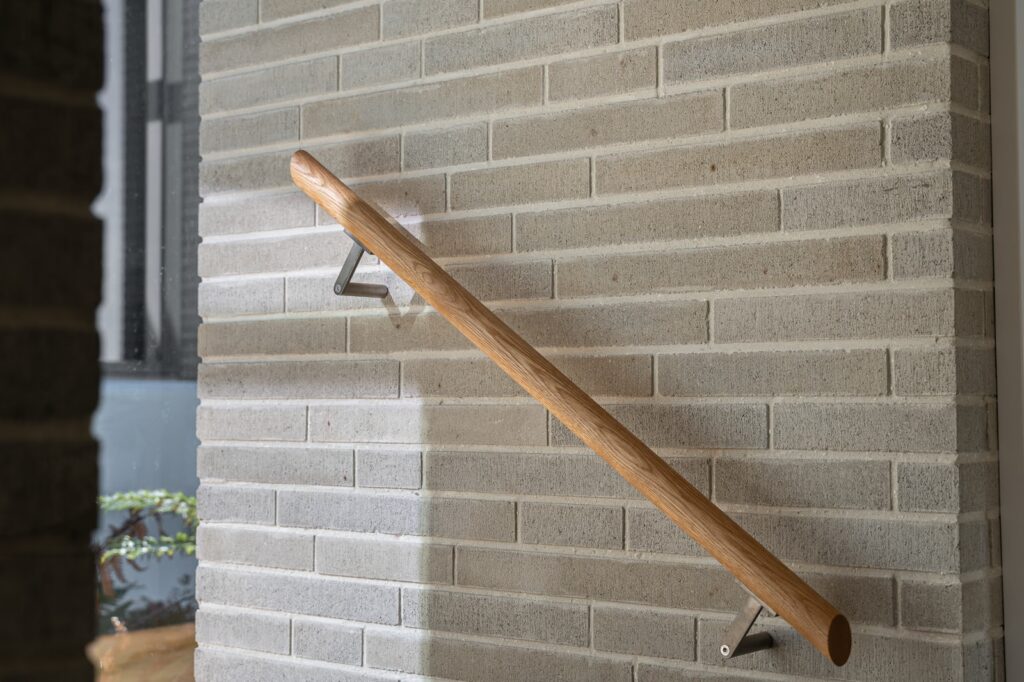
Matching brick slips were cut from the same Viblock 450 Slim product and installed internally, creating a direct visual connection between the two environments.
“Keeping the same material language throughout the home creates a seamless transition between inside and outside and gives the whole project a more connected, premium feel,” Richie says.
Because this continuation was considered early, it feels integral to the architecture rather than added later as a decorative feature.
Consider cleaning and care before work begins
Brickwork is generally a low-maintenance cladding once it has been installed and cleaned correctly.
However, cleaning methods and any sealing requirements can vary between products and applications. These should be confirmed against the brick manufacturer’s current recommendations rather than assumed.
Aggressive cleaning can damage brick faces, mortar joints or the appearance of the finished wall. It is better to establish the correct approach before installation and ensure everyone involved understands it.
Before bricklaying starts, confirm
- The brick product, size, colour and required quantity
- The mortar colour and joint finish
- The bond pattern and set-out around corners, openings and sills
- A sample panel using the proposed brick and mortar
- The delivery, storage and blending approach
- Lintels, flashings, cavity trays and wall openings
- Safe access and scaffolding
- Who will approve the visible brickwork details
- The correct cleaning and care guidance for the selected product
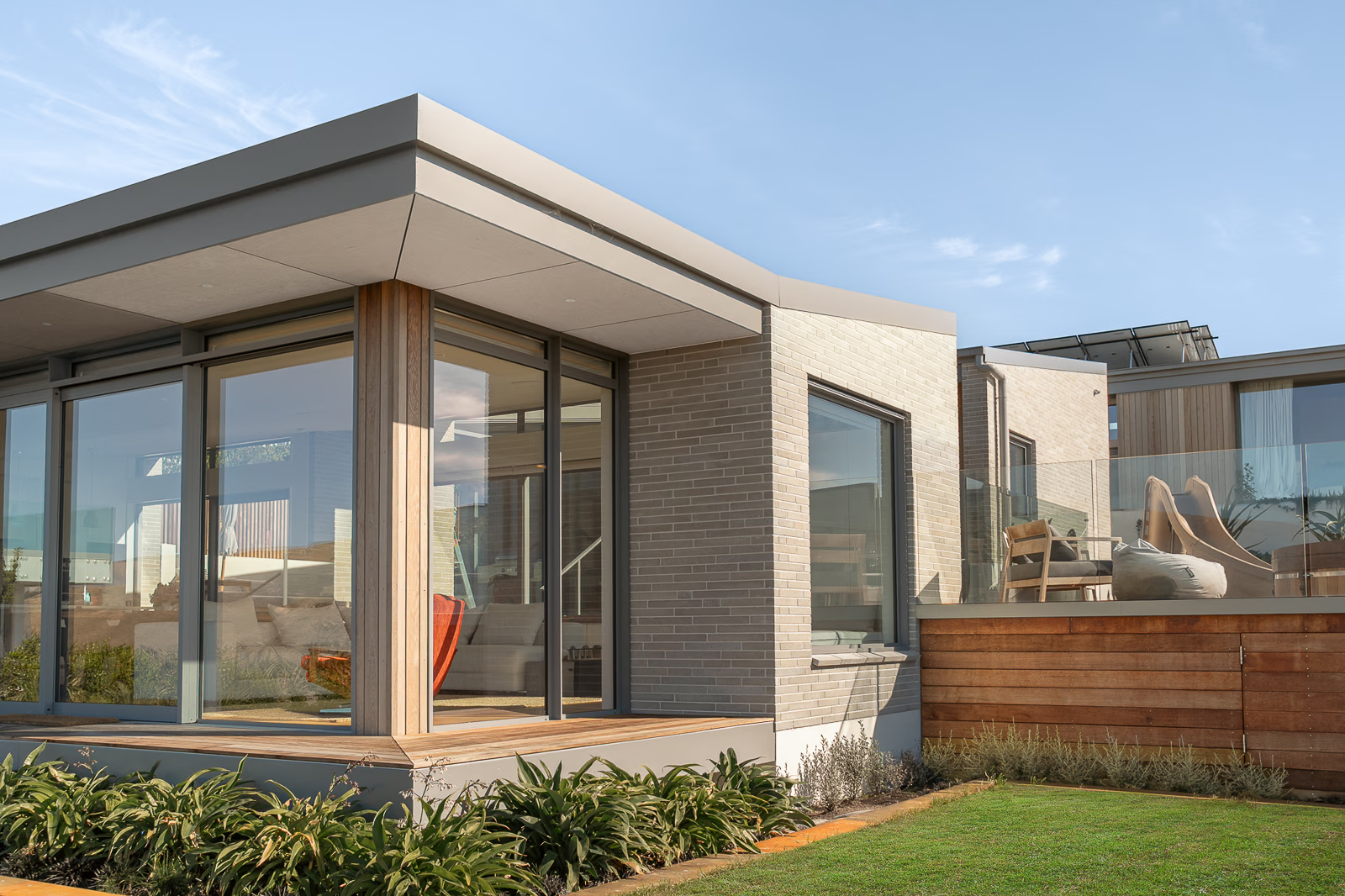
Sumner House | Bricklayer: Richie’s Brick & Block | Builder: Sinclair Builders | Photography: Bcreative
Better brickwork starts with better decisions
Sumner House shows what can be achieved when brick choice, mortar, bond, workmanship and interior continuity are considered as part of one material story.
The finished result is refined and cohesive, but it is also practical evidence of a broader principle: the quality of architectural brickwork is shaped long before laying begins.
By bringing the right people into the conversation early, confirming the visible details and preparing the site properly, homeowners can reduce surprises and give their bricklayer the best possible foundation for a successful result.
Explore Viblock’s concrete brick range, or talk to the Viblock team early about brick selection, colour, mortar, quantities and other considerations for your project.
Call us on 0800 842 562 or contact us through our website.
Further reading?